 Türkçe
Machine Fixing Plates | Industrial Anchoring Solutions
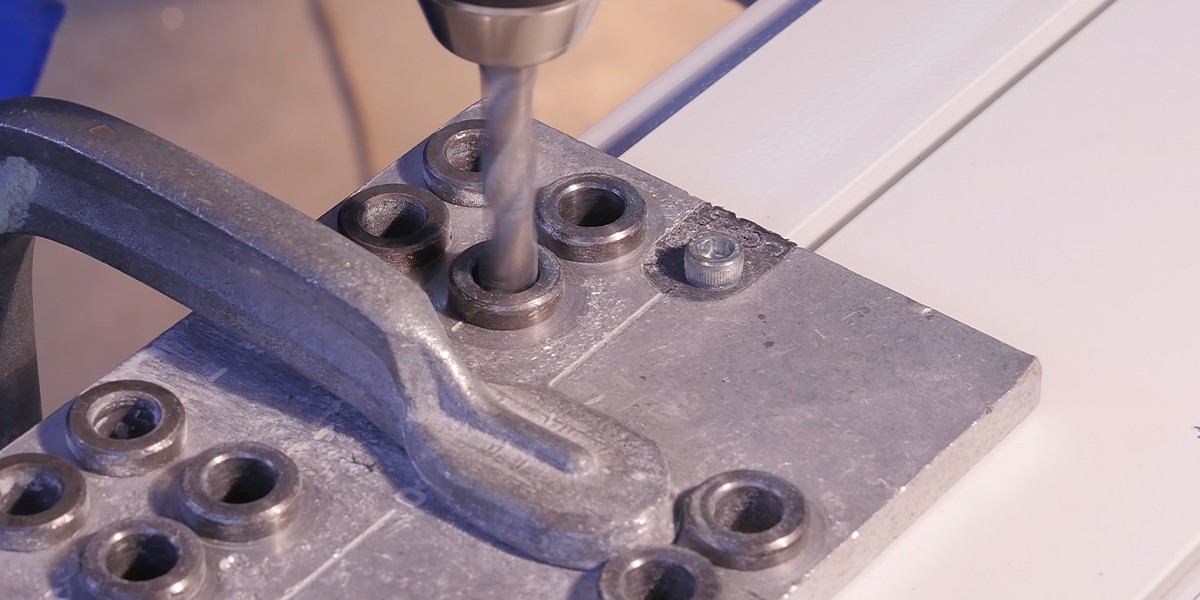
Industrial Machine Fixing Plates for Safe and Precise Installation
Machine fixing plates are steel connection elements used to secure industrial machinery frames, feet or supporting systems to concrete floors. They transfer static and dynamic loads to the floor, help limit vibration and movement and support long-term alignment.
Each plate is engineered specifically according to machine weight, foot geometry, operating loads, anchor arrangement, floor characteristics and installation tolerances.
What Is a Machine Fixing Plate?
A machine fixing plate is a steel connection element used to transfer machinery loads to the floor, organize anchoring points and provide level and alignment adjustment during installation.
Depending on project requirements, the system may include:
- Flat or machined steel plates
- Anchor holes
- Leveling screws and nuts
- Reinforcement ribs
- Welded frame connections
- Grout gaps
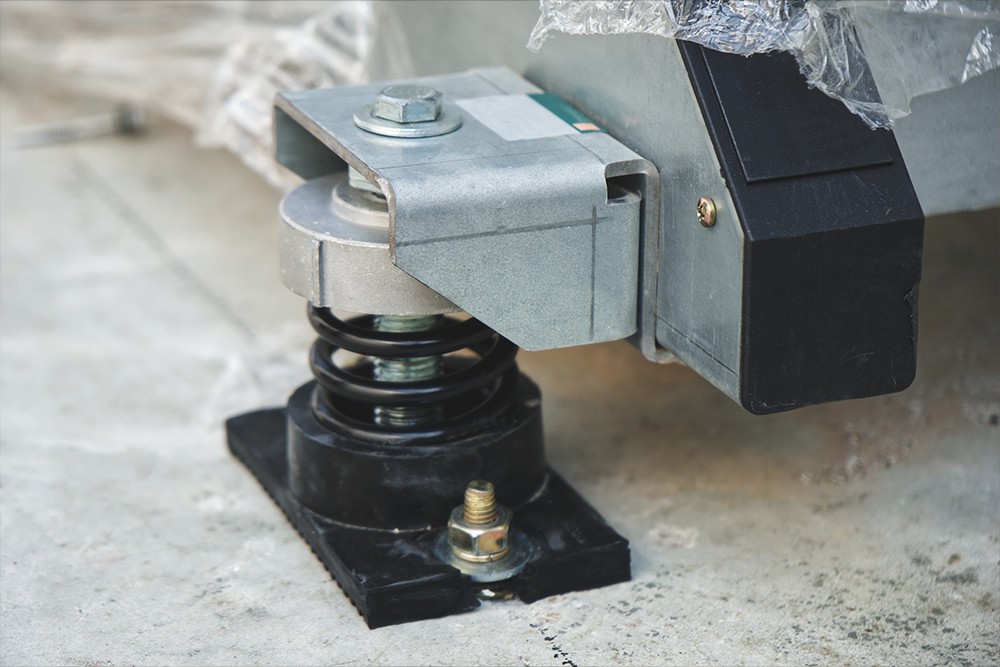
- Anti-vibration mounting points
- Mechanical or chemical anchors
- Embedded connection elements
- Modular and removable details
Advantages of Machine Fixing Plates
Transfer Loads Evenly to the Floor
Distribute forces from the machine and frame across a wider area and limit local stresses.
Help Reduce Vibration and Movement
Suitable plate thickness, anchor layout and connection geometry limit movement during operation.
Preserve Precise Alignment
Leveling and controlled anchor positioning help maintain machine elevation and axis settings.
Protect Frames and Machine Feet
Balanced load distribution reduces deformation risks around frames, feet and weld areas.
Improve Installation Efficiency
Pre-engineered hole and connection layouts reduce on-site drilling, alignment and adjustment work.
Support Modification and Relocation
Removable connections can be reused or modified during maintenance, capacity increases and machinery relocation.
Types of Machine Fixing Plates
Flat Base Plates
Create a wide and rigid connection surface between machine feet and the floor.
Adjustable Fixing Plates
Use leveling screws or adjustment components to provide precise height and axis settings.
Welded Frame Plates
Reinforced plate systems welded to the machinery frame and connected to floor anchors.
Heavy-Duty Fixing Plates
Manufactured with thick sections and reinforcement ribs for presses, dies, turbines, compressors and high-dynamic-load machinery.
Precision-Machined Plates
Produced with surface grinding, milling and precision hole machining for CNC and high-accuracy equipment.
Embedded Anchor Plates
Installed within new concrete structures to create a permanent connection base.
Key Design Considerations
- Machine weight and operating loads
- Foot geometry and load distribution
- Plate thickness and rigidity
- Weld and joint details
- Anchor-hole diameter and edge distance
- Mechanical or chemical anchor type
- Leveling and grout gap
- Concrete thickness and strength
- Vibration and impact effects
- Installation and relocation scenario
- Maintenance access
- Corrosion and operating environment
Application Areas
- CNC and machining centers
- Press and die systems
- Pump, motor and compressor groups
- Conveyor and transfer lines
- Robotics and automation cells
- Energy and process equipment
- Automotive and supplier industries
- Metalworking facilities
- Food and packaging machinery
- Heavy industry and special projects
Our Production Process
Each project is evaluated individually according to machinery loads, anchoring structure and site conditions.
1. Technical Data Analysis and Site Survey
Machine dimensions, total weight, foot layout, operating loads, vibration level and floor conditions are evaluated.
2. System Design
Plate dimensions, thickness, hole layout, reinforcements, weld details, grout gaps and tolerances are determined. Technical drawings are prepared.
3. Cutting and Machining
Plates are laser- or plasma-cut, and holes, slots and precision surfaces are machined to the required tolerances.
4. Fixturing, Welding and Inspection
Reinforcement ribs and frame connections are welded in suitable fixtures. Hole centers, flatness and main dimensions are inspected.
5. Surface Treatment and Installation-Fit Inspection
Blasting, primer, electrostatic powder coating, wet paint or galvanizing is applied. Template, anchor and machine-foot compatibility are checked.
6. Shipment and Site Application
Plates are delivered and anchoring, alignment, leveling, grouting and tightening are completed on site.
Machine Fixing Plate Modification and Reinforcement
Existing plates may develop corrosion, bending, cracks, weld damage, enlarged holes or loose anchors over time. These issues can negatively affect alignment, vibration behavior and operating safety.
Following a technical inspection, the following works may be carried out:
- Plate replacement
- Thickness increase
- Addition of reinforcement ribs
- Hole renewal
- Weld repair
- Anchor-layout modification
- Leveling-screw and nut renewal
- Grout-gap modification
- Addition of anti-vibration mounting points
- Surface-coating renewal
Material and Surface Options
Material and surface treatment are selected according to load capacity, precision requirements and operating environment.
Carbon-Steel Plates
Provide a durable and cost-effective solution for general industrial machinery fixing.
Machined Steel Plates
Used where precise holes, slots, surfaces and tolerances are required.
Stainless Steel
Can be considered for applications requiring hygiene, chemical resistance or high corrosion protection.
Electrostatic Powder Coating
Provides a durable surface suitable for indoor use and corporate colors.
Wet Paint and Industrial Coatings
Suitable for large components or projects requiring special chemical resistance.
Galvanized Coating
Provides long-term protection in humid, outdoor or highly corrosive environments.
Why Nevas Çelik?
Projects are not limited to standard plate dimensions; they are prepared according to actual machine weight, foot arrangement, dynamic loads, anchoring structure and floor conditions.
Site survey, technical design, cutting, machining, welding, surface treatment and site installation are managed within a single process. In addition to new production, reinforcement, hole renewal and anchor modification of existing plates can also be carried out.
Information Required for a Quotation
- General machine dimensions and total weight
- Technical drawing or 3D model, if available
- Dimensions and layout of machine feet
- Diameter and position of existing anchor holes
- Static and dynamic operating loads
- Required plate dimensions and thickness
- Leveling, grout or anti-vibration requirements
- Floor and concrete characteristics
- Preferred surface treatment
- Installation and delivery location
- Detailed photographs and dimensions for modification work
Frequently Asked Questions
Are machine fixing plates manufactured in standard dimensions?
No. They are engineered specifically according to machine feet, anchor layout, loads and floor conditions.
Can plates be manufactured for high-tonnage machinery?
Yes. Thick, reinforced and high-strength plates can be produced according to static and dynamic effects.
Can plates be designed for chemical anchors?
Yes. Hole diameters, edge distances and plate thickness can be designed according to the selected anchor system.
Can precise leveling be provided?
Yes. Leveling screws, shim plates or grout gaps can be used for precise height and axis adjustment.
Can existing fixing plates be reinforced?
Yes. Thickness increase, rib addition, hole renewal, weld repair and anchor modification can be applied.
Do you provide site installation?
Yes. Anchoring, alignment, leveling, grouting and final inspections can be included in the project scope.
A Project-Specific Solution for Safe Machinery Installation
Technical assessment and project engineering can be provided for a fixing-plate system suited to machinery loads, foot geometry and floor conditions.
You can request a quotation for new production, reinforcement of existing connections or anchor modification by sharing your project information.