 Türkçe
Packaging Stations | Industrial Packaging Tables
Industrial Packing Stations for Organized, Fast and Safe Dispatch Processes
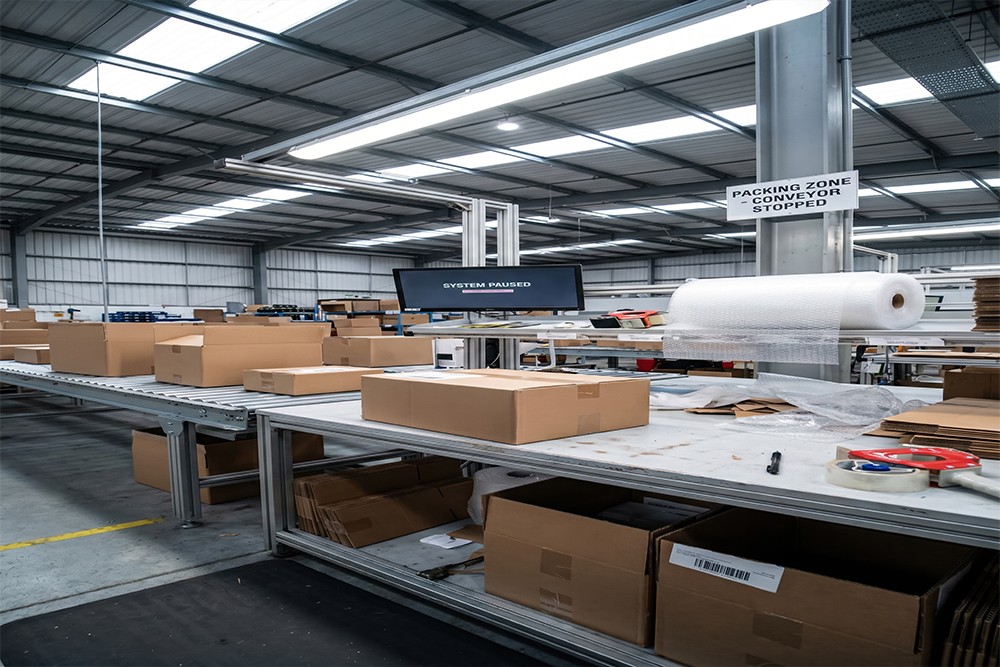
Packing stations are steel work systems designed for packaging, protecting, weighing, labeling, final inspection and dispatch preparation. They organize packaging materials, improve operator access and help create a more controlled packing workflow.
Each station is engineered specifically according to product dimensions, packaging type, daily capacity, number of operators, conveyor height, ergonomic requirements and facility layout.
What Is an Industrial Packing Station?
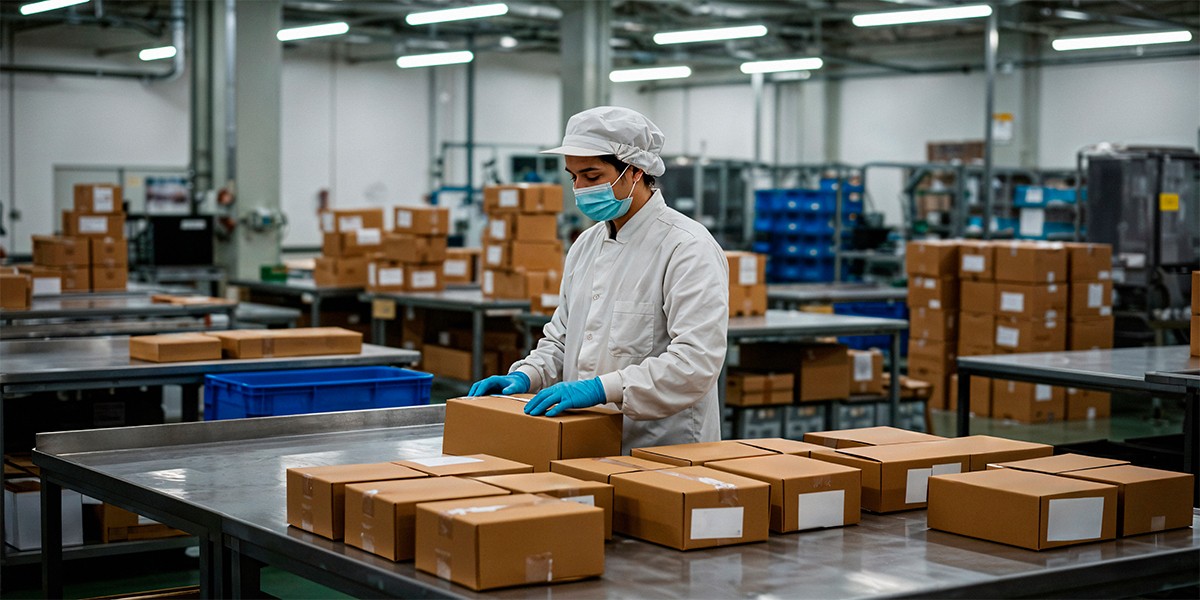
An industrial packing station is a fixed, mobile or modular workstation used to perform pre-packing inspection, wrapping, filling, sealing, weighing, barcode reading, labeling and dispatch preparation ergonomically.
Depending on project requirements, the system may include:
- Steel-profile supporting frame
- Sheet-metal, stainless-steel or coated work surface
- Carton and packaging-material shelves
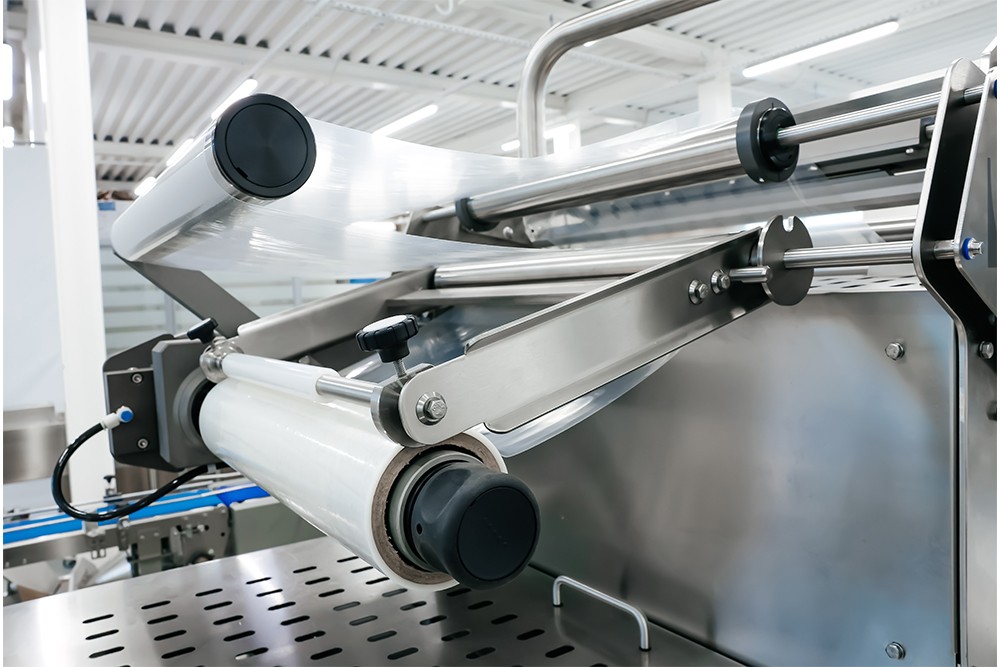
- Film, paper and tape roll holders
- Drawers and lower shelves
- Cutting tools
- Scale and printer platforms
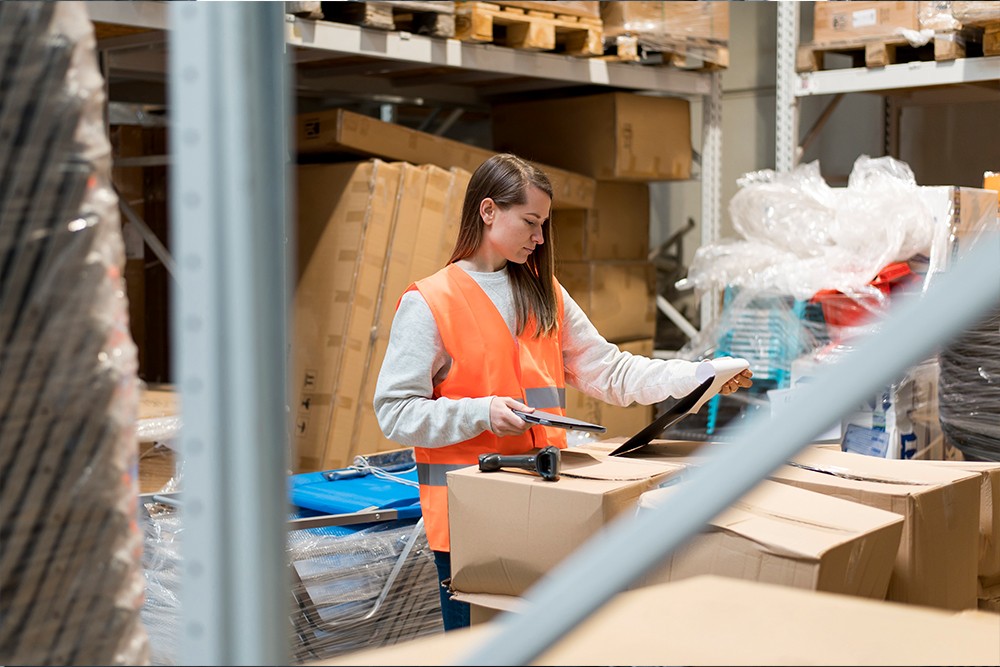
- Barcode readers and labeling equipment
- Lighting, sockets and cable channels
- Conveyor transition modules
- Adjustable feet or heavy-duty wheels
Advantages of Packing Stations
Organize the Packing Workflow
Arrange operations from product entry to labeling and dispatch in a defined sequence.
Support Operator Ergonomics
Appropriate working height, reach distance and equipment layout help reduce repetitive movement.
Organize Packaging Materials
Keep cartons, film, tape, labels and filling materials within easy reach.
Support Product Safety
Stable work surfaces, suitable supports and controlled equipment placement help reduce product damage.
Integrate with Conveyors and Automation
Product entry-exit, weighing, barcode reading, labeling and packing equipment can be connected to production lines.
Offer a Modular and Modifiable Structure
Stations can be extended, moved or rearranged when products, capacity or packaging processes change.
Types of Packing Stations
Fixed Packing Stations
Permanent workstations used on adjustable feet or anchored to the floor.
Mobile Packing Stations
Can be moved within the facility using heavy-duty swivel and braked wheels.
Modular Packing Stations
Allow shelves, drawers, roll holders, lighting and equipment modules to be added according to need.
Conveyor-Integrated Stations
Allow products to enter from the line and continue to the next stage after packing.
Weighing and Labeling Stations
Combine scales, printers, barcode readers and inspection equipment before dispatch.
Heavy-Duty Packing Stations
Manufactured with reinforced profiles, worktops and supports for large or heavy products.
Key Design Considerations
- Product dimensions and weight
- Packaging type and process sequence
- Daily or hourly packing capacity
- Number of operators and working height
- Reach distances
- Work-surface dimensions and material
- Storage requirements for cartons, film, tape and labels
- Scale, printer and barcode-equipment layout
- Conveyor entry and exit elevations
- Electrical and lighting requirements
- Fixed or mobile use
- Hygiene, cleaning and operating environment
Application Areas
- Production and assembly lines
- Final inspection areas
- Packing and dispatch departments
- Warehouses and logistics centers
- Automotive and supplier industries
- Metalworking facilities
- Food and packaging production
- Electrical and electronics manufacturing
- E-commerce and order preparation
- Custom production and process lines
Our Production Process
Each project is evaluated individually according to product characteristics, packing scenario and site conditions.
1. Requirements and Process Analysis
Product dimensions, packing steps, capacity, number of operators, equipment list and existing site conditions are evaluated.
2. Station Design
The frame, work surface, shelves, roll holders, drawers, scale-printer areas, conveyor transitions and electrical infrastructure are determined.
3. Manufacturing
Steel profiles, sheets, worktops, shelves, drawers and connection components are cut, bent, machined and assembled according to project dimensions.
4. Surface Treatment and Inspection
Electrostatic powder coating, wet paint, galvanizing or protective coating is applied. Dimensions, welds, surface flatness and moving parts are inspected.
5. Equipment Integration and Testing
Roll holders, cutting tools, lighting, sockets, scale and printer platforms and conveyor transitions are installed and tested for usability.
6. Shipment and Site Handover
The station is delivered and final positioning, adjustment, anchoring, connection and inspection work is completed.
Packing Station Modification and Capacity Increase
Existing stations may develop frame deformation, worn worktops, drawer failures, wheel problems, insufficient shelving or surface damage over time. Changes in product dimensions, packaging type or daily capacity may also require modification.
Following a technical inspection, the following works may be carried out:
- Supporting-frame reinforcement
- Work-surface renewal
- Addition of shelves and drawers
- Addition of roll holders and cutting tools
- Addition of scale, printer and barcode areas
- Conveyor-transition modification
- Addition of lighting and electrical modules
- Wheel and foot-system renewal
- Dimensional and capacity modification
- Surface-coating renewal
Material and Surface Options
Material and surface treatment are selected according to load capacity, hygiene requirements and operating environment.
Carbon-Steel Profiles
Form the main supporting frame of the station. Sections are selected according to loads and dimensions.
Steel-Sheet Work Surface
Provides an industrial surface resistant to impact, oil and intensive use.
Stainless Steel
Can be used in packing areas requiring hygiene, wash-down resistance or high corrosion protection.
Wood and Composite Worktops
Can be considered where product protection or a softer working surface is required.
Electrostatic Powder Coating
Provides a durable surface suitable for indoor use and corporate colors.
Galvanizing and Industrial Coatings
Provide long-term protection in humid, outdoor or corrosive environments.
Why Nevas Çelik?
Projects are not limited to standard table dimensions; they are prepared according to the product, packaging process, operator ergonomics, equipment layout and conveyor connections.
Site survey, design, steel fabrication, equipment integration, surface treatment and site handover are managed within a single process. Reinforcement, accessory addition and capacity-increase work can also be carried out in existing packing areas.
Information Required for a Quotation
- Photographs of the product to be packed
- Product dimensions and weight
- Packaging materials used
- Packing-process sequence
- Daily or hourly capacity
- Number of operators
- Required station dimensions
- Carton, film, tape and label-storage requirements
- Scale, printer and barcode equipment
- Conveyor entry-exit information
- Fixed or mobile use
- Preferred surface treatment and color
Frequently Asked Questions
Are packing stations manufactured in standard dimensions?
No. Station dimensions, working height, shelving and equipment layout are determined according to the product and packing process.
Can conveyor-integrated packing stations be manufactured?
Yes. Roller, belt or custom transition modules can be added according to product entry and exit elevations.
Can scales, printers and barcode equipment be integrated?
Yes. Custom platforms, shelves, cable channels and socket solutions can be prepared for this equipment.
Can film and paper roll holders be added?
Yes. Roll holders, cutting tools and storage shelves can be included according to packaging materials.
Can mobile packing stations be manufactured?
Yes. Portable systems can be produced using heavy-duty swivel and braked wheels.
Can an existing packing station be modified?
Yes. Worktops, frames, shelves, drawers, wheels, electrical modules and equipment layouts can be renewed.
A Project-Specific Solution for Organized and Fast Packing Processes
Technical assessment and project engineering can be provided for a packing station suited to your products, packaging process and capacity targets.
You can request a quotation for new production, modification of an existing system or conveyor and equipment integration by sharing your project information.