 Türkçe
Sheet Metal Cladding | Industrial Sheet Metal Cladding Solutions
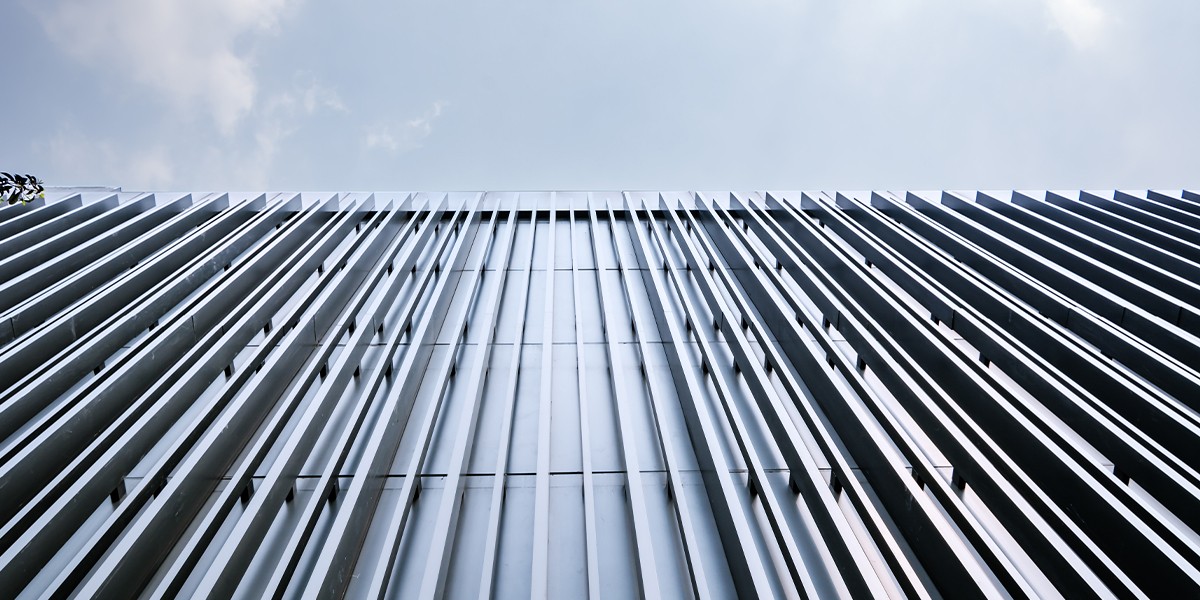
Industrial Sheet Metal Cladding for Durable and Organized Facility Areas
Sheet metal cladding systems protect exposed surfaces around machinery, production lines, frames, platforms, enclosures, control-panel surroundings and technical equipment. They provide physical protection against impact, dust, oil, moisture, chips and wear while helping create a more organized, safe and professional facility appearance.
Each system is engineered specifically according to the geometry of the area, maintenance access, ventilation requirements, operating environment, surface expectations and facility layout.
What Is Industrial Sheet Metal Cladding?
Industrial sheet metal cladding is the process of enclosing machinery and facility components with carbon-steel, galvanized or stainless-steel panels. The system can be fixed to a supporting profile structure or installed on the existing body with removable connections.
Depending on project requirements, the system may include:
- Carbon-steel or galvanized panels
- Stainless-steel surfaces
- Supporting profile structure
- Removable modular panels
- Hinged service and maintenance covers
- Ventilation grilles
- Inspection windows
- Cable and pipe passages
- Locks, hinges and connection elements
- Base plates and anchoring details
Advantages of Sheet Metal Cladding
Protect Machinery and Equipment Surfaces
Help protect exposed sections against impact, dust, oil, moisture, chips and mechanical effects.
Support Facility Organization
Enclose cables, pipes, mechanical components and irregular surfaces in a controlled manner.
Preserve Maintenance Access
Provide controlled access to service points through hinged covers, removable panels and access openings.
Restrict Moving Sections
Suitable design and connection details help physically separate hazardous machine areas.
Provide Ventilation and Observation
Grilles, perforated panels and transparent windows can maintain airflow and process visibility.
Offer a Modular and Modifiable Structure
Panels can be removed, extended or rearranged when the machine or production-line layout changes.
Types of Sheet Metal Cladding
Machine-Body Cladding
Custom-sized panels used to enclose exposed technical sections on machinery frames and bodies.
Conveyor and Transfer-Line Cladding
Create protective and organized surfaces around belts, chains, rollers and transfer points.
Fully Enclosed Sheet-Metal Guards
Used to limit the spread of chips, sparks, parts, oil or liquid splash.
Systems with Service Covers
Provide hinged or removable controlled access for maintenance, cleaning and adjustment.
Ventilated Panels
Include openings that support airflow around heat-generating motors, panels and equipment.
Modular and Removable Cladding
Adaptable panel systems that can be moved, reused and modified when facility layouts change.
Key Design Considerations
- Dimensions and geometry of the area to be clad
- Moving and hot machine sections
- Sheet thickness and panel rigidity
- Supporting profile structure
- Maintenance and service access
- Cover, hinge and lock details
- Ventilation and heat dissipation
- Cable, pipe and utility passages
- Material entry and exit openings
- Process-observation requirements
- Corrosion and operating environment
- Future dismantling and modification needs
Application Areas
- Machine bodies and frames
- Conveyor and transfer lines
- Robotic cells
- CNC and machining centers
- Press and die areas
- Enclosures and control-panel surroundings
- Automotive and supplier industries
- Metalworking facilities
- Food and packaging production
- Energy and process equipment
Our Production Process
Each project is evaluated individually according to the surface to be clad, maintenance requirements and site conditions.
1. Technical Assessment and Site Survey
Machine geometry, exposed surfaces, moving components, maintenance points, utility passages and site conditions are evaluated.
2. System Design
Panel dimensions, sheet thicknesses, supporting structure, service covers, ventilation grilles and connection details are determined. Technical drawings are prepared.
3. Cutting, Bending and Fabrication
Sheet and profile components are laser- or plasma-cut, drilled, bent and welded according to project dimensions.
4. Surface Treatment and Inspection
Electrostatic powder coating, wet paint, galvanizing or special coating is applied. Dimensions, panel compatibility, cover movement and surface quality are inspected.
5. Shipment and Site Installation
Panels are delivered in installation order, aligned, fixed and adjusted on site.
6. Final Inspection and Handover
Panel integrity, service access, ventilation, connections and site compatibility are checked before handover.
Sheet Metal Cladding Modification and Renewal
Existing cladding may develop impact damage, deformation, corrosion, paint loss, hinge failure or loose connections over time. Machinery and production-line changes may also require the current system to be reorganized.
Following a technical inspection, the following works may be carried out:
- Replacement of damaged panels
- Panel and supporting-profile reinforcement
- Addition of service covers
- Hinge and lock renewal
- Addition of ventilation grilles
- Cable and pipe passage modification
- Cladding-line extension
- Addition of removable modules
- Surface-coating renewal
Material and Surface Options
Material and surface treatment are selected according to impact risk, hygiene requirements, corrosion conditions and visual expectations.
Carbon-Steel Sheet
Provides a durable and cost-effective solution for general industrial applications.
Galvanized Sheet
Provides additional resistance in areas exposed to moisture and corrosion.
Stainless-Steel Sheet
Preferred in food, chemical, wash-down and hygiene-sensitive applications.
Perforated and Ventilated Sheet
Used where ventilation, heat dissipation or partial visibility is required.
Electrostatic Powder Coating
Provides a durable surface suitable for indoor use and corporate colors.
Wet Paint and Industrial Coatings
Suitable for large components, on-site repairs or projects requiring special chemical resistance.
Why Nevas Çelik?
Projects are not limited to standard panel dimensions; they are prepared according to machine geometry, maintenance access, utility passages and operating environment.
Site survey, technical drawing, sheet cutting, bending, welding, surface treatment and site installation are managed within a single process. In addition to new applications, panel replacement, modification, extension and surface renewal of existing systems can also be carried out.
Information Required for a Quotation
- General and detailed photographs of the area
- Approximate dimensions
- Machinery or equipment type
- Moving and hot sections
- Service-cover and maintenance-access requirements
- Ventilation requirements
- Cable, pipe and product passages
- Preferred sheet material
- Color and surface preference
- Technical drawing or 3D model, if available
- Installation location and available date range
Frequently Asked Questions
Is sheet metal cladding manufactured in standard dimensions?
No. Panel dimensions, connections, covers and passage details are prepared according to machinery and facility layout.
Which sheet materials can be used?
Carbon steel, galvanized sheet, stainless steel, perforated sheet and project-specific panel options can be applied.
Can service covers be added?
Yes. Hinged, removable or lockable service covers can be designed according to maintenance requirements.
Can ventilation grilles be incorporated?
Yes. Perforated panels, louvers or custom ventilation solutions can be applied according to heat and airflow requirements.
Can existing sheet metal cladding be modified?
Yes. Damaged panels, covers, hinges, connections and supporting profiles can be renewed or extended.
Do you provide installation services?
Yes. Measurement, manufacturing, shipment, installation, cover adjustment and final inspections can be included in the project scope.
A Project-Specific Solution for Durable and Organized Facilities
Technical assessment and project engineering can be provided for a sheet metal cladding system suited to machine geometry, maintenance requirements and operating environment.
You can request a quotation for new cladding, modification of existing panels or system expansion by sharing your project information.