 Türkçe
Sheet Metal Storage Racks | Industrial Sheet Metal Storage Systems
Industrial Sheet Metal Storage Racks for Safe and Efficient Storage
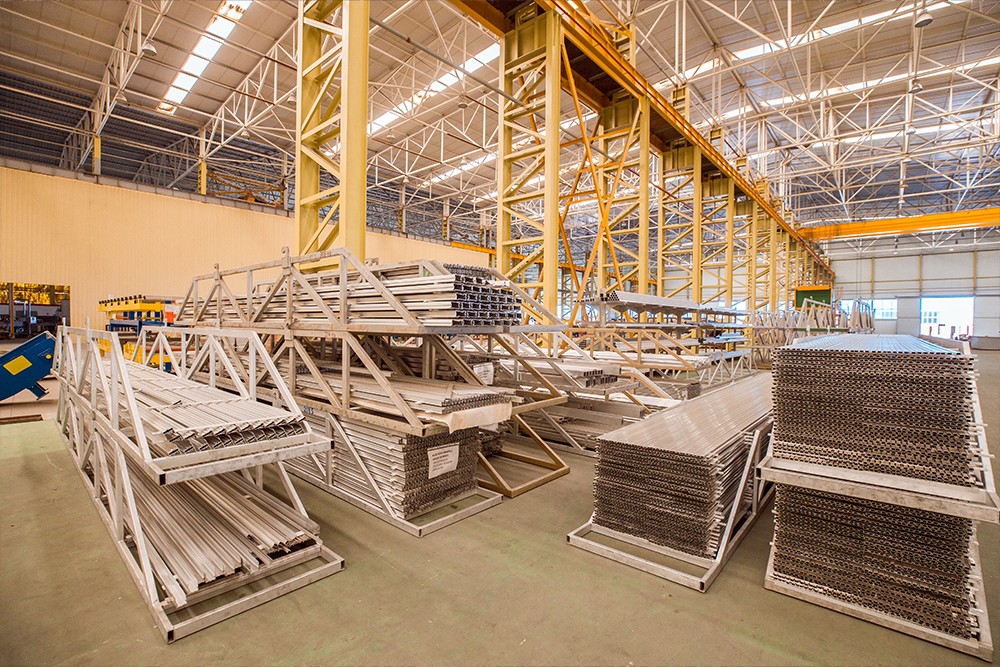
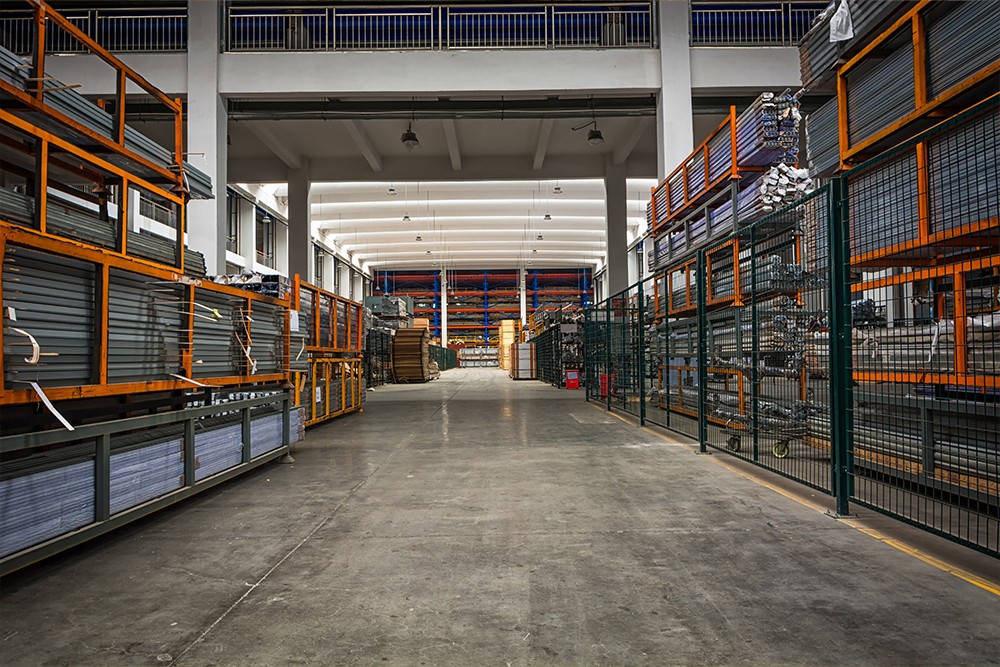
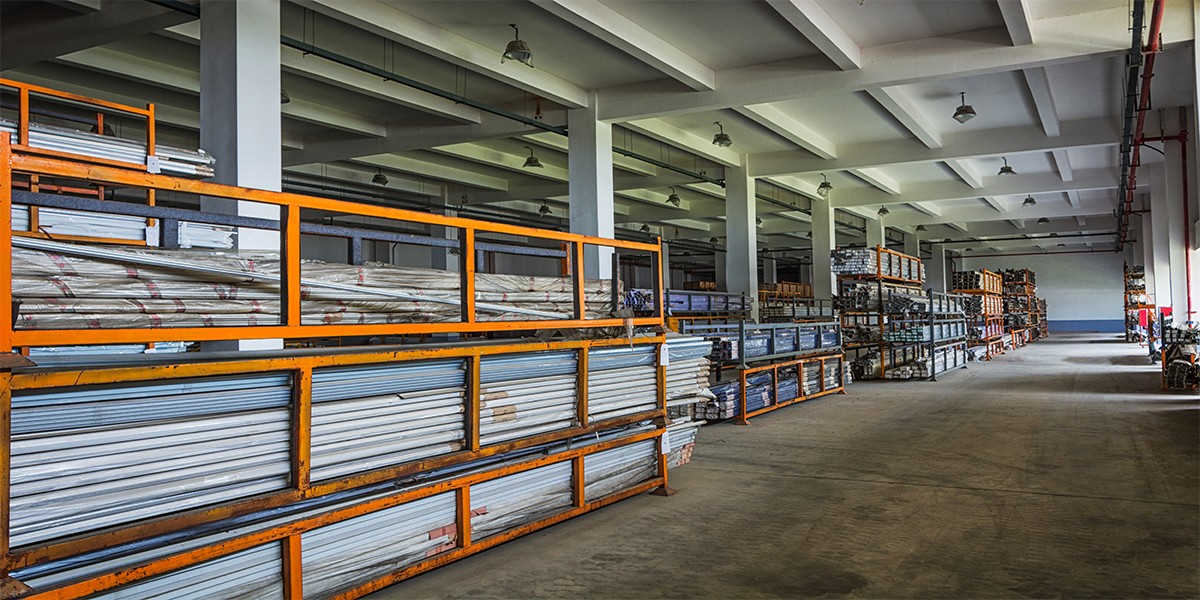
Sheet metal storage racks are heavy-duty steel systems used to store steel, stainless steel, aluminum and similar sheet materials safely, systematically and accessibly. They prevent uncontrolled floor stacking, improve storage-space utilization and speed up access to the correct material for production.
Each system is engineered specifically according to sheet dimensions, thicknesses, total stack weight, loading method, crane or forklift access, production flow, floor capacity and facility layout.
What Is a Sheet Metal Storage Rack?
A sheet metal storage rack is an industrial steel system used to store sheets of different sizes, thicknesses and materials in fixed bays, pull-out platforms or carrying cassettes.
Depending on project requirements, the system may include:
- Reinforced steel uprights
- High-capacity horizontal supports
- Fixed or pull-out sheet platforms
- Cassette storage compartments
- Bearing, slide or roller mechanisms
- Safety stops and locks
- Base plates and anchors
- Forklift-entry clearances
- Crane and lifting-device access zones
- Modular bolted connections
Advantages of Sheet Metal Storage Racks
Provide High Load Capacity
Upright, support and platform sections are sized according to sheet dimensions, total stack weight and load distribution.
Keep Sheets Organized and Accessible
Defined storage bays by material, size and thickness simplify inventory management.
Reduce Material Preparation Time
Layouts designed for forklifts, cranes, vacuum lifters or transport carts provide faster access to the required sheets.
Help Protect Sheet Surfaces
Limit exposure to floor moisture, impact and uncontrolled contact.
Support Occupational Safety
Keep heavy and wide sheets in fixed, anchored systems equipped with suitable safety components.
Offer a Modular and Expandable Structure
Additional modules, platforms or storage bays can be added when new sizes or material groups are introduced.
Types of Sheet Metal Storage Racks
Horizontal Sheet Storage Racks
Store sheets of different sizes and thicknesses horizontally in controlled rack bays.
Pull-Out Sheet Storage Racks
Use outward-moving platforms to facilitate handling by crane, vacuum lifter or forklift.
Cassette Sheet Storage Systems
Classify sheets in independent carrying cassettes and support organized feeding to production lines.
Vertical Sheet Storage Racks
Keep sheets upright in divided compartments for suitable dimensions and operating scenarios.
Forklift- and Crane-Loaded Racks
Fork-entry clearances, top access and lifting-equipment working spaces are arranged according to the loading method.
Custom-Designed Sheet Storage Racks
Developed for very heavy, oversized, surface-sensitive or non-standard sheets.
Key Design Considerations
- Sheet width, length and thickness
- Total stack weight per bay
- Point and distributed load transfer
- Rack-bay and platform dimensions
- Pull-out distance and movement mechanism
- Locking and stop systems
- Crane, forklift, vacuum or magnetic-lifter access
- Upright and support sections
- Concrete floor and anchoring conditions
- Operator working area
- Corrosion and environmental conditions
- Future capacity increase
Application Areas
- Laser and plasma cutting facilities
- Metal press and sheet-forming lines
- Welded fabrication facilities
- Stainless-steel processing areas
- Aluminum-sheet warehouses
- Automotive and supplier industries
- White-goods manufacturing
- Machinery manufacturing
- Steel service centers
- Warehouses and logistics facilities
Our Production Process
Each project is evaluated individually according to sheet inventory, loading method and site conditions.
1. Requirements Analysis and Site Survey
Sheet types, dimensions, thicknesses, stack weights, frequency of use, lifting method, crane routes, forklift traffic and floor conditions are evaluated.
2. Layout and System Design
Rack rows, access directions, bay dimensions, upright and support sections, platform or cassette structure, movement mechanisms, stops and anchoring details are determined.
3. Manufacturing
Profiles, plates, platforms, cassettes, rollers, slides and connection components are cut, drilled, formed and assembled according to project dimensions.
4. Surface Treatment and Quality Inspection
Electrostatic powder coating, wet paint, galvanizing or protective coating is applied. Dimensions, welds, platforms, locks and connections are inspected.
5. Functional and Trial Inspection
Movement, locking, stops, access clearances and loading scenarios are tested on pull-out, cassette and roller systems.
6. Shipment and Site Installation
Rack components are delivered, installed, aligned and anchored; mechanism adjustments and final inspections are completed.
Modification and Reinforcement of Existing Sheet Storage Racks
Existing racks may develop forklift-impact damage, movement-mechanism wear, support deformation, weld cracks, loose connections or anchoring problems. Heavier sheet stacks or changes in use may also make the current system insufficient.
Following a technical inspection, the following works may be carried out:
- Upright and support replacement
- Platform or cassette reinforcement
- Bearing, slide and roller replacement
- Addition of safety stops and locks
- Base-plate and anchor modification
- Forklift- or crane-access modification
- Rack-bay dimensional modification
- Module and capacity increase
- Surface-coating renewal
Material and Surface Options
Material and surface treatment are selected according to sheet weight, movement system and operating environment.
High-Strength Steel Profiles
Provide high load capacity for uprights, horizontal supports and platform structures.
Thick Plate and Reinforced Platforms
Can be produced as flat plate, bent plate, profile-supported or grating surfaces according to sheet dimensions and load distribution.
Bearing, Slide and Roller Systems
Provide controlled movement in pull-out, cassette and movable rack systems.
Stainless Steel
Can be considered for applications requiring hygiene, wash-down resistance or high corrosion protection.
Electrostatic Powder and Wet Paint
Provide durable surfaces for indoor use and applications requiring specific chemical resistance.
Galvanized Coating
Provides long-term protection in humid, semi-open or highly corrosive environments.
Why Nevas Çelik?
Projects are not limited to standard rack dimensions; they are prepared according to actual sheet sizes, stack weights, lifting method, crane and forklift conditions, operator access and floor structure.
Site survey, technical design, steel fabrication, movement-mechanism production, surface treatment and professional installation are managed within a single process. Reinforcement, platform and cassette modification, module addition and capacity increase can also be carried out on existing racks.
Information Required for a Quotation
- Sheet width, length and thickness
- Total stack weight for each material group
- Sheet materials and target storage capacity
- Horizontal, vertical, pull-out or cassette rack preference
- Crane, forklift, vacuum or magnetic-lifter information
- Warehouse area and ceiling height
- Required number of rack levels and bays
- Floor structure and concrete thickness
- Paint, galvanizing or coating preference
- Installation and delivery location
- Photographs, dimensions and damage information for modification projects
Frequently Asked Questions
How many kilograms can sheet metal storage racks carry?
Capacity is engineered according to sheet dimensions, total stack weight, rack span, platform structure, number of levels and floor conditions.
Can pull-out sheet metal racks be manufactured?
Yes. Bearing, slide or roller pull-out mechanisms can be designed according to sheet weight and lifting method.
Are sheet metal storage racks manufactured in standard dimensions?
No. They are prepared specifically according to sheet sizes, thicknesses, stack weights and site layout.
Can one system be designed for forklifts, cranes or vacuum lifters?
Yes. Fork-entry clearances, top access, movable platforms and lifting-device working spaces can be designed together.
Can existing sheet storage racks be reinforced?
Yes. Uprights, supports, platforms, anchors and movement mechanisms can be renewed or reinforced following technical inspection.
Do you provide installation services?
Yes. Shipment, installation, alignment, anchoring, mechanism adjustment and final inspections can be included in the project scope.
A Project-Specific Solution for Safe and Efficient Sheet Storage
Technical assessment and project engineering can be provided for a rack system suited to your sheet dimensions, stack weights, lifting method and facility layout.
You can request a quotation for a new sheet storage rack, reinforcement of an existing system or platform and cassette modification by sharing your project information.