 Türkçe
Steel Shelves | Industrial Storage Systems
Industrial Steel Racking Systems for Safe and Organized Storage
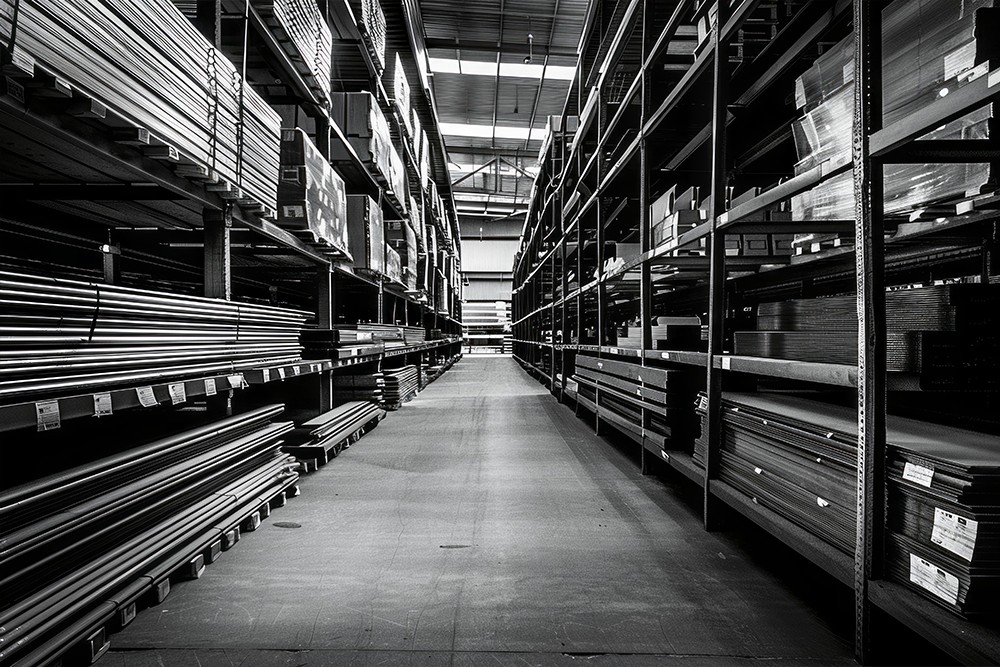
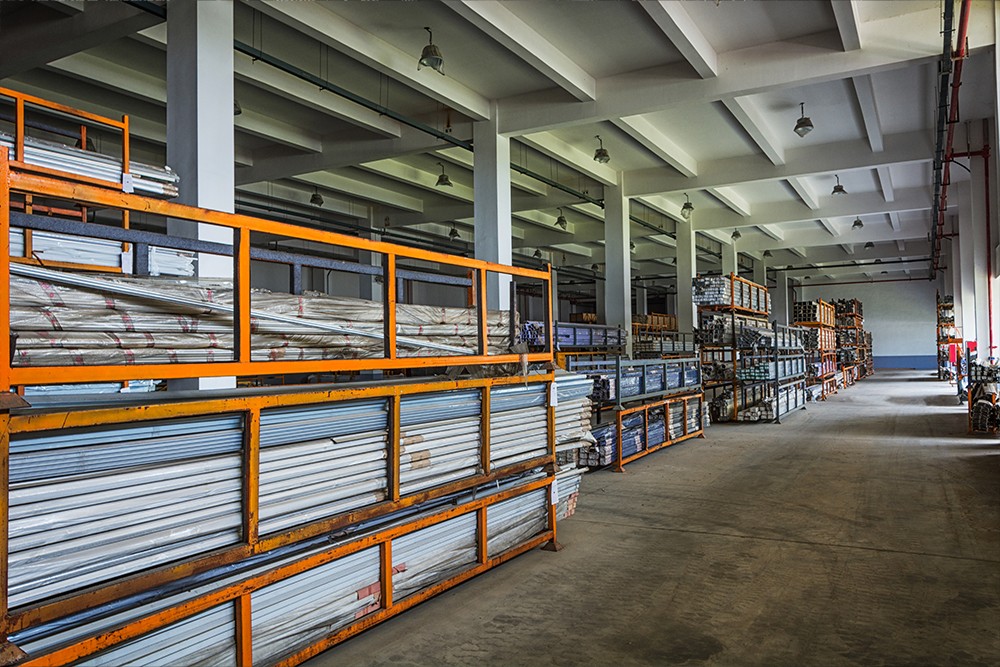
Steel racking systems are modular structures used to store raw materials, semi-finished products, spare parts, dies, equipment, boxes and production materials safely and accessibly in factories, warehouses and logistics facilities. Properly designed racks improve space utilization, organize stock movement and help protect stored products.
Each system is engineered specifically according to product dimensions, weight, loading method, bay spacing, aisle layout, floor conditions and operating flow.
What Is an Industrial Steel Racking System?
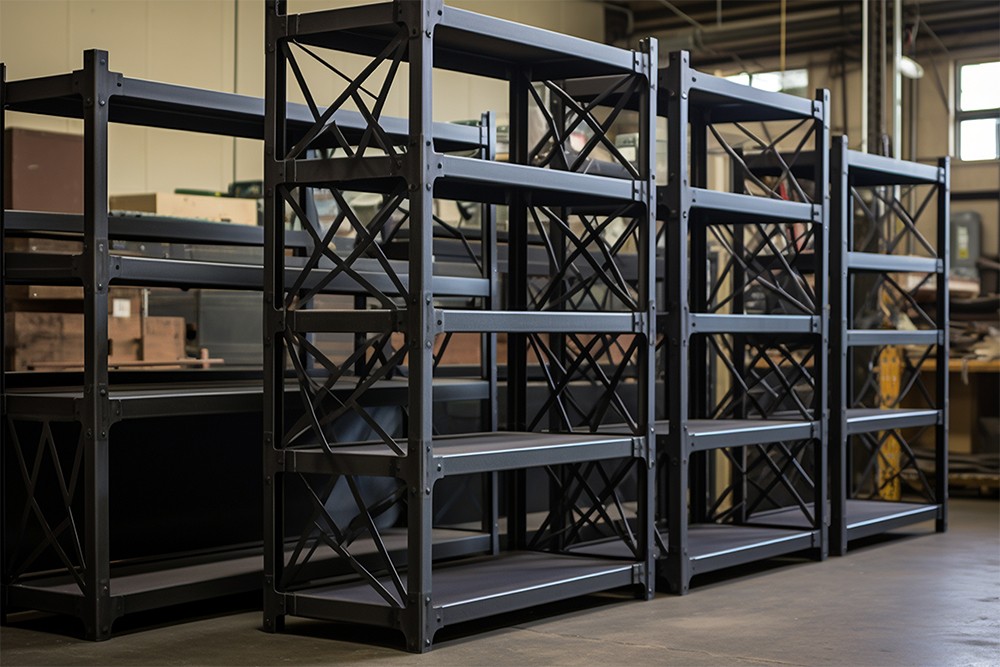
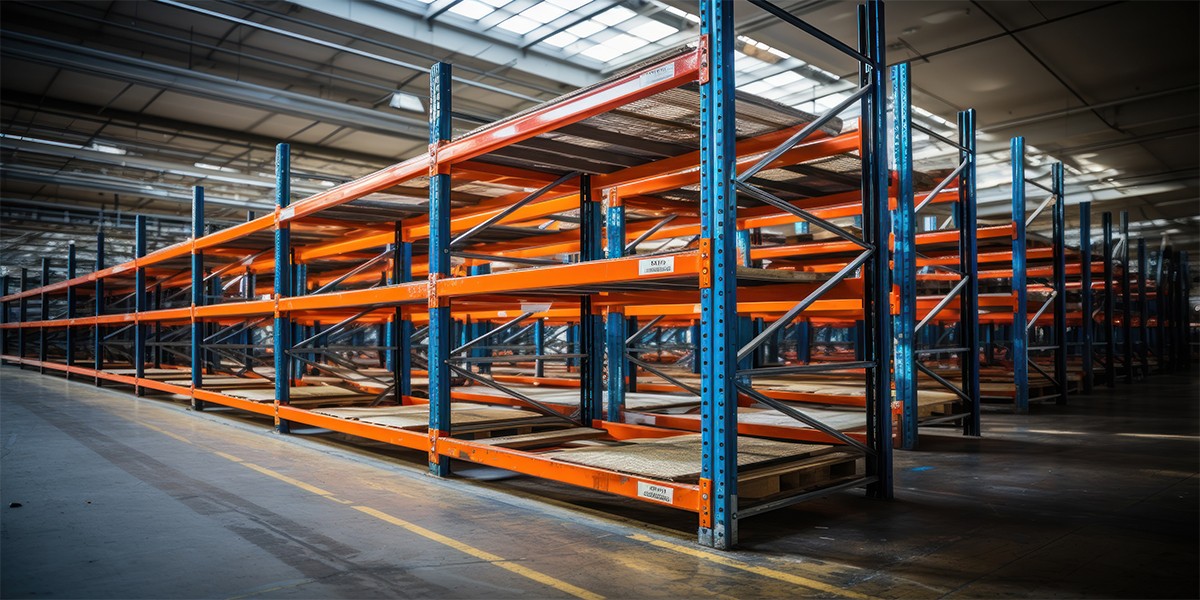
An industrial steel racking system is a storage structure consisting of uprights, beams, shelf panels, bracing, base plates and anchoring elements designed to carry different load classes.
Depending on project requirements, the system may include:
- Steel uprights
- Horizontal beams
- Sheet-metal, grating or wooden shelf panels
- Diagonal and horizontal bracing
- Base plates
- Mechanical or chemical anchors
- Rear and side protection elements
- Dividers and product stops
- Labeling and identification areas
- Modular bolted connections
Advantages of Steel Racking Systems
Improve Storage-Space Utilization
Correct rack height and bay spacing allow more efficient use of available volume.
Carry Loads Safely
Uprights, beams and shelf panels are sized according to maximum stored loads.
Improve Stock Organization
Make products easier to classify, label and access.
Facilitate Loading and Unloading
Create suitable aisle and access layouts for manual, forklift or palletized use.
Offer a Modular Structure
Rack bays can be rearranged, new modules can be added and the system can adapt to different product groups.
Support Modification and Capacity Increase
The system can be reinforced, expanded or reorganized when stored products or load requirements change.
Types of Steel Racking Systems
Light- and Medium-Duty Racks
Used for boxes, spare parts, tools and manually loaded products.
Heavy-Duty Racks
Manufactured with reinforced sections for dies, equipment, metal parts and high-weight products.
Pallet Racking Systems
Allow standard or custom pallets to be stored in multiple levels using forklifts.
Line-Side Material Racks
Keep frequently used parts and consumables close to production and assembly stations.
Mobile and Modular Racks
Adapt to changing storage needs through wheeled, removable or reconfigurable structures.
Custom-Designed Steel Racks
Developed specifically where standard solutions are insufficient for dimensions, loads, product geometry or site conditions.
Key Design Considerations
- Product dimensions and weight
- Load capacity per rack and per bay
- Upright and beam sections
- Rack height and bay spacing
- Shelf-panel type and surface
- Forklift and personnel aisles
- Loading and unloading direction
- Floor load capacity
- Base-plate and anchoring arrangement
- Impact and overturning risks
- Future expansion requirements
- Corrosion and operating environment
Application Areas
- Factory warehouses
- Logistics centers
- Raw-material and semi-finished-product storage
- Spare-parts warehouses
- Die shops and toolrooms
- Line-side material areas
- Automotive and supplier industries
- Metalworking facilities
- Food and packaging production
- Heavy industry and special projects
Our Production Process
Each project is evaluated individually according to product characteristics, storage capacity and site conditions.
1. Requirements Analysis and Site Survey
Stored products, loads, area dimensions, aisles, ceiling height, floor and loading method are evaluated.
2. System Design
Rack height, bay spacing, upright and beam sections, shelf-panel type, bracing, base plates and anchoring details are determined.
3. Manufacturing
Profiles, sheets, shelf panels, connection and protection components are cut, bent, drilled and assembled according to project dimensions.
4. Surface Treatment and Inspection
Electrostatic powder coating, wet paint, galvanizing or protective coating is applied. Dimensions, welds and connection points are inspected.
5. Trial Assembly and Module Inspection
Rack modules, beam connections, shelf panels, bracing and protection elements are checked for installation compatibility.
6. Shipment and Site Installation
The system is delivered, aligned, checked for verticality, anchored and finally inspected.
Modification and Reinforcement of Existing Steel Racks
Existing racking systems may develop impact damage, corrosion, loose connections, beam deformation, upright damage or worn shelf panels over time. Changes in stored loads or capacity requirements may also require reevaluation.
Following a technical inspection, the following works may be carried out:
- Upright and beam replacement
- Bracing reinforcement
- Shelf-panel renewal
- Base-plate and anchor reinforcement
- Addition of impact protection
- Rack-bay reconfiguration
- Module addition
- Capacity increase
- Surface-coating renewal
Material and Surface Options
Material and surface treatment are selected according to load capacity, operating intensity and environment.
Carbon-Steel Profiles
Provide high strength and cost-effective production for uprights, beams and supporting elements.
Sheet-Metal Shelf Panels
Create durable storage surfaces for boxes, parts and products with different base geometries.
Galvanized Grating Panels
Can be used where airflow, drainage and corrosion resistance are required.
Stainless Steel
Can be considered for applications requiring hygiene, wash-down resistance or high corrosion protection.
Electrostatic Powder Coating
Provides a durable surface suitable for indoor use and corporate colors.
Galvanizing and Industrial Coatings
Provide long-term protection in humid, outdoor or corrosive environments.
Why Nevas Çelik?
Projects are not limited to standard rack dimensions; they are prepared according to stored products, load capacity, aisle layout, loading method and site conditions.
Site survey, design, steel fabrication, surface treatment and site installation are managed within a single process. Damaged-part replacement, reinforcement, module addition and capacity-increase work can also be carried out on existing racks.
Information Required for a Quotation
- Photographs of the products to be stored
- Product dimensions and weights
- Required load per rack and per bay
- Warehouse dimensions and ceiling height
- Manual or forklift loading preference
- Pallet dimensions
- Required rack height and bay spacing
- Aisle widths
- Floor and anchoring conditions
- Preferred shelf-panel type
- Color and surface treatment
- Layout plan or technical drawing, if available
Frequently Asked Questions
Are steel racking systems manufactured in standard dimensions?
No. Rack height, bay spacing, load capacity and module dimensions are determined according to the products and site conditions.
Can steel racks be manufactured for heavy loads?
Yes. Reinforced uprights, beams, shelf panels and anchoring systems can be used for dies, equipment and heavy components.
Can pallet racking systems be manufactured?
Yes. Custom pallet racks can be designed according to pallet dimensions, forklift type, aisle width and load capacity.
Can an existing racking system be reinforced?
Yes. Uprights, beams, bracing, shelf panels, base plates and anchors can be renewed or reinforced.
Can new modules be added?
Yes. New rack modules can be added after the existing system has been checked for compatibility.
Do you provide installation services?
Yes. Shipment, positioning, verticality checks, anchoring and final inspections can be included in the project scope.
A Project-Specific Solution for Safe and Organized Storage
Technical assessment and project engineering can be provided for a steel racking system suited to your products, load capacity and warehouse layout.
You can request a quotation for a new rack installation, reinforcement of an existing system or capacity increase by sharing your project information.