 Türkçe
Tool Cabinets | Industrial Tool Storage Systems
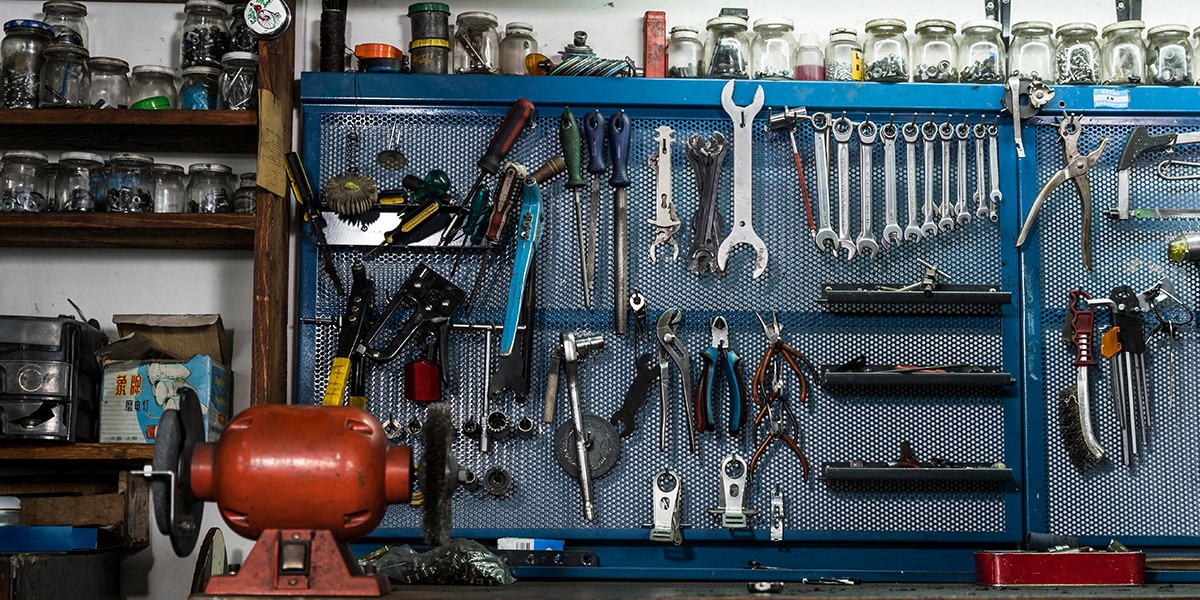
Industrial Tool Cabinets for Organized and Safe Work Areas
Industrial tool cabinets are steel storage systems used to keep hand tools, cutting tools, measuring equipment, tool holders, spare parts and consumables organized, secure and under control in factories, workshops and production areas. They reduce tool-search time, limit equipment loss and help maintain workplace organization.
Each cabinet is engineered specifically according to tool type, dimensions, total load, frequency of use, drawer and shelf capacity, locking requirements, mobility and available workspace.
What Is an Industrial Tool Cabinet?
An industrial tool cabinet is steel-bodied storage equipment used to classify, protect and control access to production, maintenance and technical-service equipment.
Depending on project requirements, the system may include:
- Steel-sheet supporting body
- Adjustable shelves
- Heavy-duty drawers
- Ball-bearing or telescopic drawer slides
- Pegboards and shadow boards
- Foam tool inserts and dividers
- Central locking and drawer safety
- Anti-tilt mechanism
- Heavy-duty wheels and brakes
- Label holders and color-coding areas
Advantages of Industrial Tool Cabinets
Keep Tools Organized
Create defined storage locations for hand tools, cutters, measuring equipment and consumables.
Improve Equipment Security
Lockable doors and drawers limit tool loss, unauthorized use, impact and environmental exposure.
Support Work Efficiency
Fast access to tools reduces search time during maintenance, adjustment and production operations.
Simplify Inventory Control
Labels, compartments and visual layouts make missing or misplaced equipment easier to identify.
Improve Operator Ergonomics
Allow frequently used equipment to be positioned at suitable heights and reaching distances.
Offer a Modular and Upgradeable Structure
Shelves, drawers, pegboards and tool inserts can be rearranged as requirements change.
Types of Tool Cabinets
Drawer Tool Cabinets
Use drawers of different heights to store small and medium-sized tools in classified groups.
Shelved and Door-Front Tool Cabinets
Provide adjustable shelving for larger equipment, boxes, consumables and spare parts.
Pegboard Tool Cabinets
Keep hand tools visible and accessible on hooks and dedicated holders.
Heavy-Duty Tool Cabinets
Manufactured with reinforced bodies for die components, fixtures and heavy equipment.
Mobile Tool Cabinets
Use heavy-duty wheels, brakes and push handles to move tools to the work area.
CNC Tool and Holder Cabinets
Engineered with custom inserts for tool holders, collets, cutting inserts and precision-machining equipment.
Key Design Considerations
- Types of tools and equipment
- Tool dimensions and weights
- Drawer and shelf load capacity
- Sheet thickness and body rigidity
- Drawer-slide type and extension
- Central locking and access control
- Anti-tilt and tip-over safety
- Shelf, divider and tool-insert layout
- Labeling and visual management
- Operator access and ergonomics
- Fixed or mobile use
- Humidity, oil, dust and corrosion conditions
Application Areas
- Maintenance and repair workshops
- Automotive and supplier industries
- Machinery manufacturing plants
- CNC and machining areas
- Production and assembly lines
- Die and press departments
- Technical-service areas
- Warehouses and spare-parts departments
- Training and prototype workshops
- Defense and special-production facilities
Our Production Process
Each project is evaluated individually according to tool inventory, load capacity and operating scenario.
1. Requirements and Tool-Inventory Analysis
Tool types, dimensions, weights, frequency of use, access and security requirements are evaluated.
2. Layout and Internal-Organization Design
Cabinet dimensions, drawer and shelf quantity, pegboards, tool inserts, locks and mobility requirements are determined.
3. Technical Engineering and Manufacturing
The body, doors, drawers, shelves and connection components are cut, bent and welded according to technical drawings.
4. Surface Treatment and Quality Inspection
Electrostatic powder coating, wet paint or suitable protective coating is applied. Body geometry, doors, drawers and locking functions are inspected.
5. Internal Equipment and Functional Testing
Slides, shelves, dividers, tool inserts, wheels, brakes and anti-tilt mechanisms are installed and tested.
6. Shipment and Site Handover
Cabinets are delivered safely, with alignment, floor anchoring and final checks completed where required.
Modification and Development of Existing Tool Cabinets
Worn slides, deformed doors, lock failures, corrosion, shelf deflection or changes in tool inventory may require existing cabinets to be modified.
Following a technical inspection, the following works may be carried out:
- Drawer-slide and lock replacement
- Shelf and drawer reinforcement
- Door, hinge and handle renewal
- Addition of anti-tilt mechanisms
- Addition of wheels and braking systems
- Addition of pegboards and tool inserts
- Addition of new shelves, drawers or compartments
- Reorganization of internal layout
- Surface-coating renewal
Material, Surface and Equipment Options
Materials and equipment are selected according to load capacity, operating environment, usage intensity and security requirements.
Carbon-Steel Sheet
Provides a durable, workable and cost-effective body solution for general industrial use.
Galvanized Steel
Improves surface durability in humid and corrosive environments.
Stainless Steel
Can be considered for applications requiring hygiene, frequent cleaning or high corrosion resistance.
Heavy-Duty Slide Systems
Ball-bearing, telescopic or high-capacity slides can be selected according to drawer load.
Electrostatic Powder and Wet Paint
Provide durable, cleanable surfaces in different RAL colors to match corporate workplace standards.
Locks, Wheels and Internal Equipment
Central locks, drawer safety, braked wheels, label holders, dividers, foam inserts and pegboards can be integrated.
Why Nevas Çelik?
Projects are not limited to standard cabinet dimensions; they are prepared according to actual tool inventory, loads, access frequency, workspace, security and visual-management requirements.
Technical design, sheet-metal processing, welding, surface treatment, hardware installation and site handover are managed within a single process. Slide, shelf, drawer, lock, wheel and internal-layout modifications can also be carried out on existing tool cabinets.
Information Required for a Quotation
- Types of tools and equipment to be stored
- Approximate tool dimensions and weights
- Required cabinet width, height and depth
- Drawer, shelf and pegboard requirements
- Expected load per drawer and shelf
- Lock and controlled-access preference
- Anti-tilt mechanism requirement
- Fixed or mobile use
- Dimensions of the installation area
- Preferred color and surface treatment
- Delivery and installation location
- Photographs and dimensions for existing-cabinet modification
Frequently Asked Questions
Which materials are tool cabinets made from?
They are generally manufactured from steel sheet and profiles. Material thickness is selected according to cabinet dimensions and load capacity.
Are tool cabinets manufactured in standard dimensions?
Standard modules can be used, but dimensions, drawer layout and internal equipment can be customized.
Can cabinets be manufactured for heavy tools?
Yes. Heavy-duty slides, reinforced drawers, thicker sheet metal and strengthened bodies can be used.
Can mobile tool cabinets be manufactured?
Yes. Heavy-duty wheels, braking systems and push handles can be integrated.
Can anti-tilt systems be used in drawers?
Yes. Mechanisms that limit multiple drawers from opening simultaneously can be applied.
Can existing tool cabinets be refurbished?
Yes. Slides, shelves, doors, locks, wheels, paint and internal layouts can be modified following technical inspection.
A Project-Specific Solution for Organized and Safe Tool Management
Technical assessment and project engineering can be provided for a tool cabinet suited to your tool inventory, load capacity, usage frequency and workspace.
You can request a quotation for a new tool cabinet, refurbishment of an existing cabinet or drawer, shelf, lock and mobility upgrades by sharing your project information.