 Türkçe
Industrial Wire Mesh Fencing Systems | In-Factory Safety
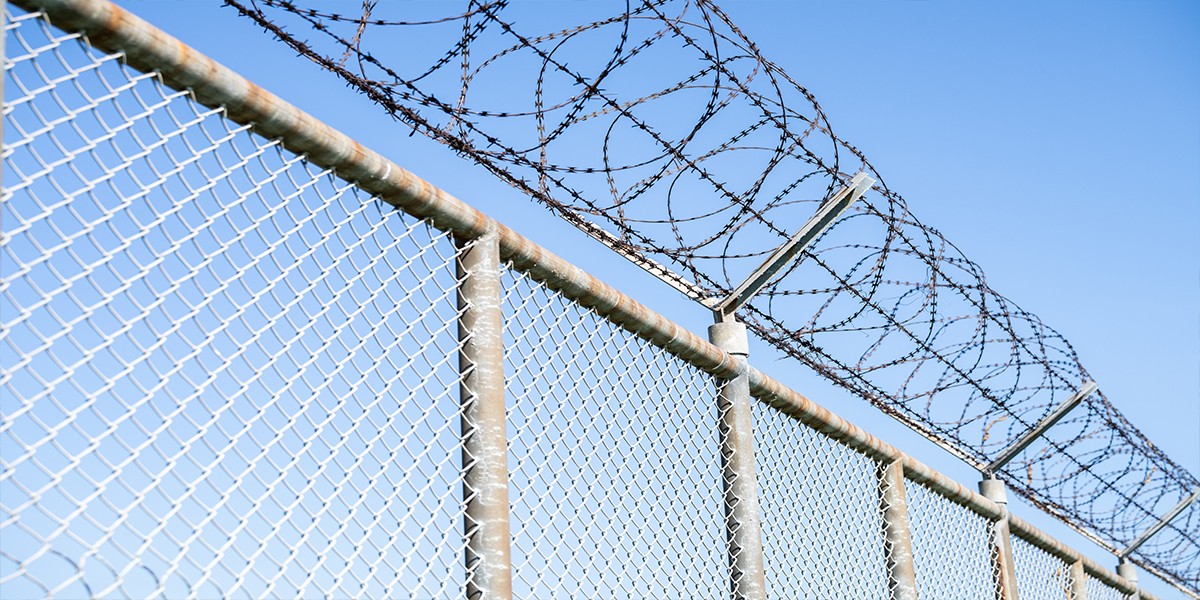
Industrial Wire-Mesh Fencing Systems for Safe and Controlled Work Areas
Industrial wire-mesh fencing systems are modular safety solutions that physically separate machinery, robot cells, storage, maintenance and controlled-access areas. They restrict unauthorized access while preserving visibility and airflow, improve site organization and help keep employees away from hazardous zones.
Each system is engineered specifically according to intended use, risk level, fence height, mesh size, wire diameter, safety distances, access requirements, impact risk and floor conditions.
What Is an Industrial Wire-Mesh Fencing System?
An industrial wire-mesh fencing system is a modular enclosure made of steel posts, welded mesh panels, gates and connection components.
Depending on project requirements, the system may include:
- Steel supporting posts
- Welded wire-mesh panels
- Single- or double-leaf gates
- Sliding access gates
- Mechanical locks
- Safety switches and sensors
- Lower sheet-metal panels
- Lower protection profiles and barriers
- Base plates and anchors
- Modular bolted connections
Advantages of Wire-Mesh Fencing Systems
Physically Separate Hazardous Areas
Enclose machinery, robot, storage and technical zones with clear safety boundaries.
Preserve Visibility and Airflow
Mesh panels keep enclosed areas visible and allow natural air circulation.
Provide Controlled Access
Locked, sliding, single- or double-leaf gates can restrict entry to authorized personnel.
Offer a Modular and Relocatable Structure
Posts and panels can be repositioned or extended when the facility layout changes.
Integrate with Safety Equipment
Sensors, safety switches, locks and access-control equipment can be added to gates.
Can Be Reinforced for Impact Risk
Reinforced posts, lower sheet-metal panels and independent barriers can be used in forklift and material-traffic areas.
Types of Wire-Mesh Fencing Systems
Machinery Safety Fences
Separate moving machinery and automation equipment from personnel routes.
Robot-Cell Fences
Create controlled access by enclosing robot working zones with physical boundaries.
Warehouse and Stock-Area Fences
Help separate valuable, controlled or special inventory securely.
High-Security Mesh Partitions
Increase access control through full-height or additionally reinforced systems.
Gated and Sliding Modular Systems
Provide different gate solutions for personnel, material and vehicle access.
Combined and Custom-Designed Systems
Use sheet metal at the lower section and mesh panels above or provide custom details around columns, machinery and service penetrations.
Key Design Considerations
- Intended use and risk analysis
- Fence height and total length
- Mesh size and wire diameter
- Post sections and connection spacing
- Floor and anchoring conditions
- Machinery movement zones
- Safety distances
- Gate type, width and opening direction
- Personnel, forklift and material passages
- Emergency exits and escape routes
- Sensor and safety-switch integration
- Maintenance and cleaning access
Application Areas
- Production and assembly lines
- Robot and automation cells
- CNC, laser, press and welding areas
- Warehouses and logistics centers
- Controlled stock and quarantine zones
- Maintenance and technical rooms
- Transformer, panel and compressor areas
- Automotive and supplier industries
- Food and packaging facilities
- White-goods and electronics production
Our Production and Installation Process
Each project is evaluated individually according to safety requirements, enclosure area and site conditions.
1. Requirements Analysis and Site Survey
The enclosure area, risk level, machinery, access points, floor conditions, services and site traffic are evaluated.
2. Layout and System Design
Fence route, post locations, panel dimensions, safety distances, gates and connection details are determined.
3. Manufacturing
Steel profiles, welded mesh panels, lower sheet sections, gates and connection components are manufactured according to technical drawings.
4. Surface Treatment and Quality Inspection
Electrostatic powder coating, industrial wet paint or galvanizing is applied. Dimensions, welds, panel connections and gate movement are inspected.
5. Shipment and Site Installation
Posts are anchored, and panels, gates, locks, sensor connections and protection elements are installed according to the plan.
6. Final Inspection and Handover
System stability, gate settings, connections, passage clearances and site compatibility are checked before handover.
Modification and Expansion of Existing Wire-Mesh Fencing
Existing fences may need relocation, expansion or updates with new gates and safety equipment when the facility layout or machinery changes. Impact damage, corrosion, damaged panels and anchoring issues may also require modification.
Following a technical inspection, the following works may be carried out:
- Replacement of damaged panels and posts
- Addition of new fence modules
- Addition of gates or enlargement of access openings
- Conversion to sliding gates
- Addition of locks, sensors and safety switches
- Installation of lower sheet panels and barriers
- Route and safety-distance modification
- Renewal of anchors and connections
- Surface-coating renewal
Material, Panel and Surface Options
Materials and surface treatments are selected according to safety level, impact risk and operating environment.
Welded Steel Wire-Mesh Panels
Provide visibility, airflow and durability as the main enclosure element.
Steel-Profile Posts
Carry panel loads and site effects as the primary supporting components.
Lower Sheet-Metal Panels
Provide lower protection in areas exposed to impact, splash or material passage.
Electrostatic Powder Coating
Available in different RAL colors; yellow and black may be used for occupational-safety visibility.
Galvanized Coating
Provides long-term protection in humid, semi-open or corrosive environments.
Locks and Safety Equipment
Mechanical locks, padlocks, safety switches, sensors and access-control equipment can be integrated.
Why Nevas Çelik?
Projects are not limited to standard panel dimensions; they are prepared according to actual risk level, safety distances, machinery movement, access requirements, floor conditions and site traffic.
Site survey, technical design, steel fabrication, panel production, surface treatment and professional installation are managed within a single process. Relocation, expansion, panel replacement and gate-safety modifications can also be carried out on existing fences.
Information Required for a Quotation
- Dimensions and photographs of the application area
- Intended use of the enclosed area
- Required total fence length and height
- Machinery movement zones and safety distances
- Personnel, forklift and material passages
- Gate type, quantity and dimensions
- Preferred mesh size and wire diameter
- Floor and concrete information
- Impact or vehicle-traffic risk
- Lock, sensor or safety-switch requirements
- Preferred color and surface treatment
- Installation location and work schedule
Frequently Asked Questions
Which materials are used for wire-mesh fencing systems?
They are generally manufactured from steel-profile posts and welded steel wire-mesh panels. Lower sheet-metal panels and custom connections can be added.
Can they be installed in an existing factory?
Yes. A staged installation plan can be prepared for active production facilities to minimize disruption.
Can wire-mesh fences be dismantled and relocated?
Modular bolted systems can be dismantled and reinstalled when suitable for the new area.
Can gates and safety equipment be added?
Yes. Single- or double-leaf gates, sliding gates, locks, sensors and safety switches can be integrated.
Can they be used in forklift-traffic areas?
Yes. Reinforced posts, lower sheet-metal panels and independent barriers can reduce impact risk.
Is fence height standard?
No. System height is determined specifically according to safety requirements, machinery movement and site conditions.
A Project-Specific Solution for Safe and Controlled Factory Areas
Technical assessment and project engineering can be provided for a wire-mesh fencing system suited to your machinery, robot, storage, maintenance and controlled-access areas.
You can request a quotation for a new installation, relocation of existing fencing or gate and safety-equipment modifications by sharing your project information.