 Türkçe
Foundation Anchoring Systems | Industrial Anchoring Solutions
Industrial Foundation Anchor Systems for Safe and Permanent Machinery Installation
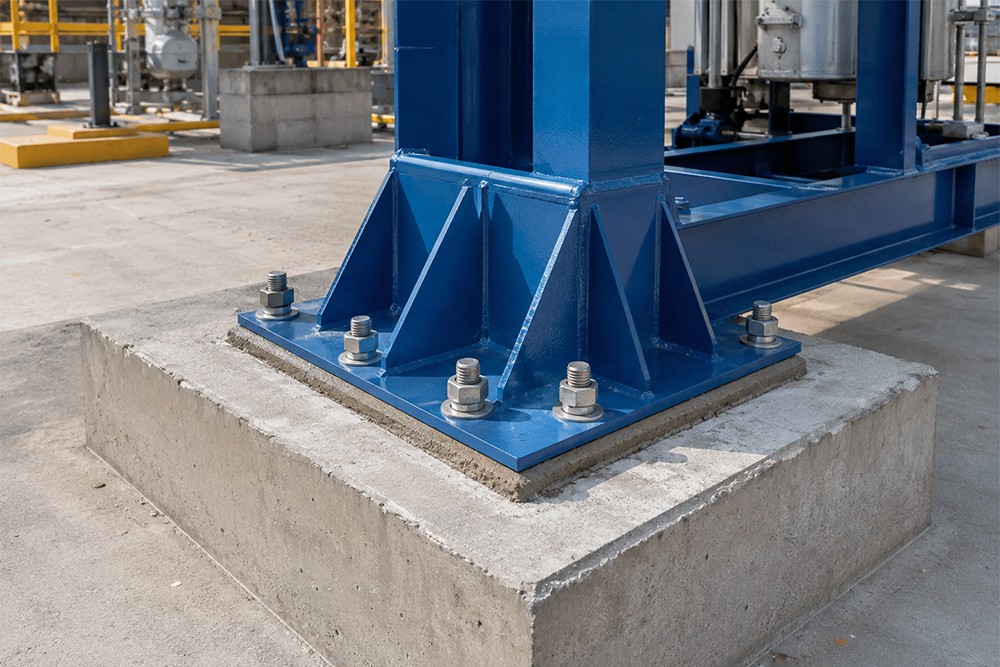
Foundation anchor systems are integrated connection solutions used to secure machinery, steel frames, columns, platforms and heavy equipment to reinforced-concrete foundations. They transfer tension, compression, shear, moment, vibration and impact forces to the foundation and help preserve equipment position, elevation and alignment.
Each system is engineered specifically according to machinery or structural loads, connection geometry, concrete grade, foundation dimensions, installation tolerances and site conditions.
What Is a Foundation Anchor System?
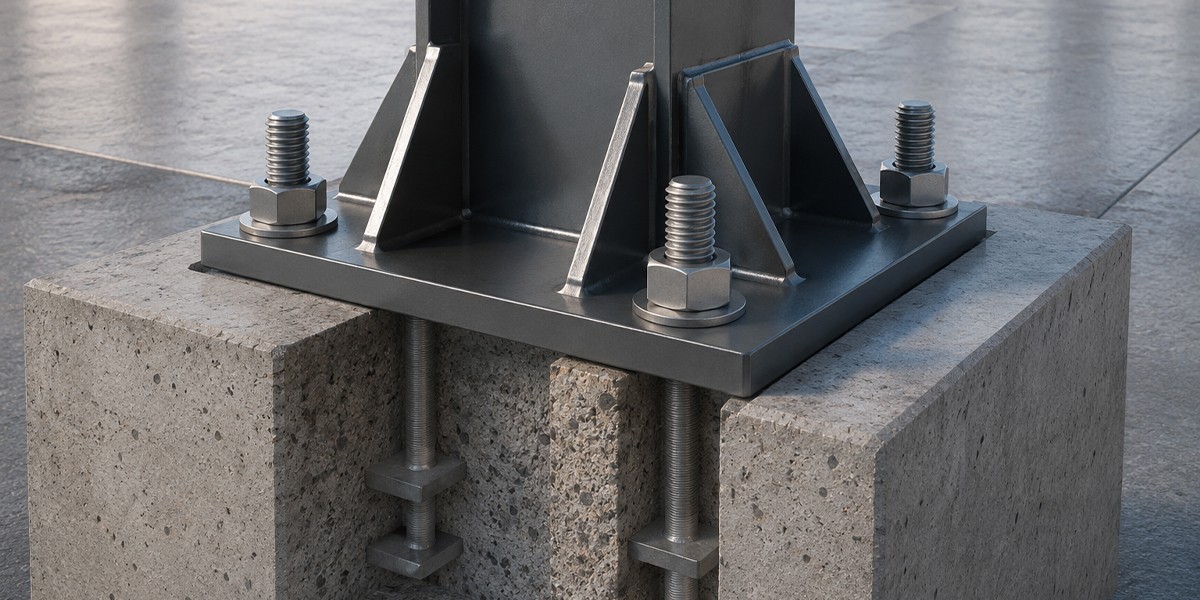
A foundation anchor system is a complete assembly of anchor rods, plates, templates, nuts, washers and auxiliary components that creates a secure and permanent connection between a supporting structure and a concrete foundation.
Depending on project requirements, the system may include:
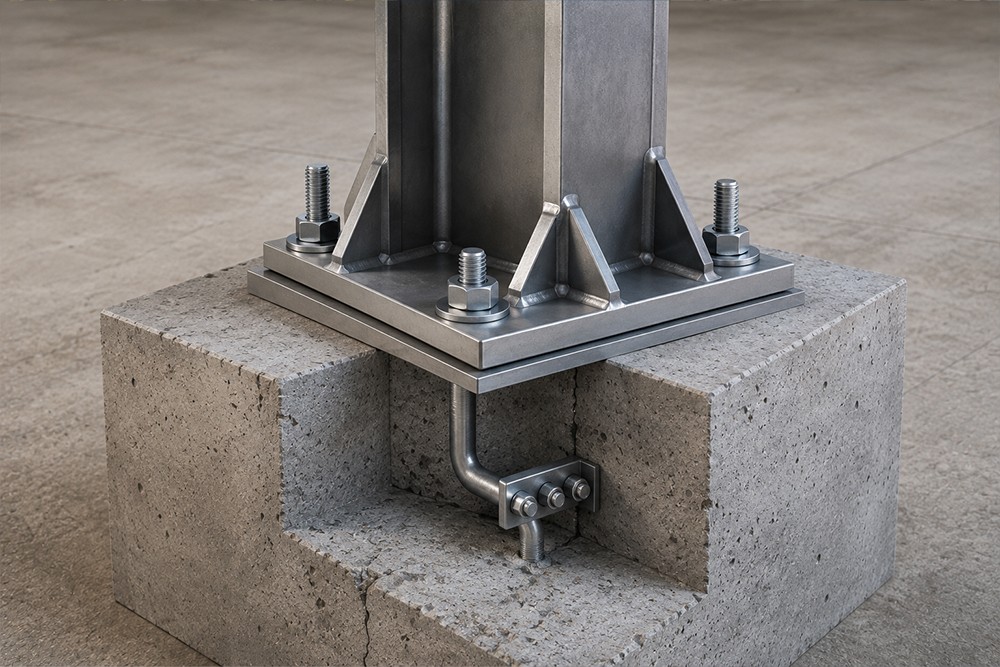
- Cast-in anchor rods
- Chemical anchors
- Mechanical and expansion anchors
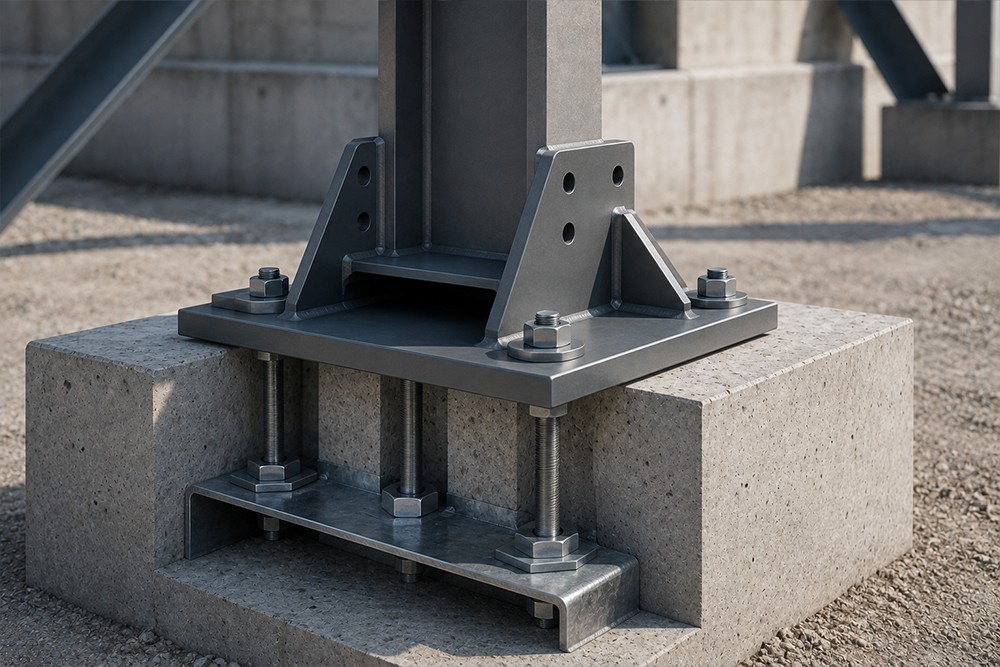
- Anchor templates
- Embedded base and connection plates
- Nuts, washers and locking components
- Leveling elements
- Grout gaps
- Welded or bolted connections
- Removable and reusable details
Advantages of Foundation Anchor Systems
Transfer Loads Safely to Concrete Foundations
Transfer tension, compression, shear and moment forces from the supporting structure to the concrete foundation in a controlled manner.
Reduce Sliding and Overturning Risks
Suitable anchor diameter, embedment depth and connection arrangement limit equipment movement during operation.
Preserve Precise Alignment
Template-based positioning, leveling and controlled tightening help maintain axis and elevation settings.
Limit Vibration-Related Loosening
Suitable preload, locking and connection details reduce the negative effects of dynamic loads on anchors.
Improve Installation Efficiency
Pre-fabricated anchor templates reduce dimensional errors during concrete pouring and site installation.
Support Modification and Relocation
Existing connections can be inspected, reinforced or rearranged for new machinery layouts.
Types of Foundation Anchor Systems
Cast-In Anchor Systems
Consist of rods and plates positioned with templates before concrete pouring and are used for heavy loads and new foundations.
Chemical Anchor Systems
Create a connection by installing threaded rods into drilled holes using resin-based bonding material.
Mechanical Anchor Systems
Use expansion or locking principles and provide fast installation under suitable concrete conditions.
Anchor Templates
Steel installation devices that keep anchor rods at the correct axis, spacing and elevation during concrete pouring.
Embedded Anchor Plates
Steel plates cast into concrete to provide future welded or bolted connection points.
Heavy-Duty Anchor Systems
Reinforced systems designed for presses, turbines, compressors, heavy frames and equipment with high dynamic loads.
Key Design Considerations
- Static and dynamic loads
- Tension, shear and overturning moments
- Concrete grade and foundation geometry
- Anchor diameter and embedment depth
- Anchor spacing and edge distances
- Base-plate and hole arrangement
- Template design and installation tolerance
- Grout and leveling details
- Existing reinforcement and concrete cracks
- Installation and maintenance access
- New or existing concrete application
- Corrosion and operating environment
Application Areas
- Machinery and production-line installations
- Press and heavy-machinery foundations
- CNC and machining centers
- Steel column and platform connections
- Pump, motor and compressor groups
- Conveyor and transfer systems
- Robotics and automation cells
- Energy and process equipment
- Automotive and supplier industries
- Heavy industry and special projects
Our Production and Application Process
Each project is evaluated individually according to loads, concrete characteristics and site conditions.
1. Technical Data Analysis and Site Survey
Machinery or structural dimensions, total weight, connection geometry, operating loads, foundation structure and installation area are evaluated.
2. System Design
Anchor diameter, embedment depth, template dimensions, plate details, hole layout, grout gaps and tolerances are determined. Technical drawings are prepared.
3. Material Preparation and Fabrication
Anchor rods, plates, nut-and-washer groups, templates and auxiliary components are cut, machined and assembled according to project dimensions.
4. Fixturing and Quality Inspection
Embedded plates, templates and reinforcement components are prepared in suitable fixtures. Axes, hole centers, rod lengths and welds are inspected.
5. Surface Treatment and Site Placement
Galvanizing, paint or suitable protective coating is applied. Anchors are positioned with templates or installed into existing concrete using chemical or mechanical methods.
6. Alignment, Tightening and Final Inspection
Elevation and axis settings, grouting, bolt tightening and final connection inspections are completed.
Modification and Reinforcement of Existing Foundation Anchors
Existing anchors may develop corrosion, thread damage, loosening, concrete cracking, enlarged holes or insufficient capacity over time. These issues can negatively affect alignment and operating safety.
Following a technical inspection, the following works may be carried out:
- Anchor-rod renewal
- Addition of chemical anchors
- Plate enlargement or thickness increase
- Addition of reinforcement
- Weld repair
- Nut-and-washer renewal
- Hole and connection-layout modification
- Concrete-surface correction
- Grout renewal
- Corrosion-protection renewal
Material and Surface Options
Material and surface treatment are selected according to load capacity, concrete conditions and operating environment.
High-Strength Anchor Rods
Used in applications involving heavy loads and dynamic effects.
Carbon-Steel Plates and Templates
Provide durable and cost-effective solutions for base plates, embedded connections and installation templates.
Stainless and Galvanized Options
Can be considered for humid, chemical or outdoor environments requiring corrosion resistance.
Electrostatic Powder Coating
Provides a durable surface suitable for indoor use and corporate colors.
Wet Paint and Industrial Coatings
Suitable for large components or projects requiring special chemical resistance.
Galvanized Coating
Provides long-term protection in humid, outdoor or highly corrosive environments.
Why Nevas Çelik?
Projects are not limited to standard anchor dimensions; they are prepared according to actual loads, concrete characteristics, connection geometry and installation conditions.
Site survey, technical design, steel fabrication, template preparation, surface treatment and site application are managed within a single process. In addition to new production, renewal, reinforcement and rearrangement of existing anchors can also be carried out.
Information Required for a Quotation
- General machinery or structural dimensions and weight
- Technical drawing, foundation plan or 3D model, if available
- Dimensions and layout of connection points
- Tension, shear, moment and dynamic load values
- Concrete grade, foundation dimensions and current condition
- Required anchor diameter, length or connection standard
- Cast-in, chemical or mechanical anchor preference
- Template, base-plate and grout requirements
- Corrosion-protection and surface preference
- Installation and delivery location
- Detailed photographs and dimensions for modification work
Frequently Asked Questions
Are anchor systems prepared in standard dimensions?
Standard rod diameters and lengths may be used, but the overall geometry, template and plate details are engineered specifically for each project.
Can anchor systems be designed for high-tonnage machinery?
Yes. Heavy-duty anchor systems can be designed according to static, dynamic, tension and shear loads.
Can anchors be installed into existing concrete?
Yes. Chemical or mechanical anchor solutions can be applied according to concrete and load conditions.
Can anchor templates be produced before concrete pouring?
Yes. Custom steel templates can be manufactured to maintain the correct axis, spacing and elevation of anchor rods.
Can precise leveling be provided?
Yes. Leveling nuts, shim plates and grout details can be used for precise elevation and axis adjustment.
Do you provide site application?
Yes. Template positioning, drilling, anchor installation, alignment, tightening, grouting and final inspections can be included in the project scope.
A Project-Specific Solution for Safe Foundation Connections
Technical assessment and project engineering can be provided for a foundation anchor system suited to machinery or structural loads, concrete characteristics and installation conditions.
You can request a quotation for a new system, reinforcement of existing anchors or connection renewal after relocation by sharing your project information.