 Türkçe
Transfer Tables | Industrial Material Transfer Systems
Industrial Transfer Tables for Controlled and Efficient Material Flow
Transfer tables are industrial systems used to move pallets, crates, dies, heavy components and custom handling fixtures between production, maintenance, storage and dispatch points. Roller, ball-transfer, rotating, sliding or lift-table options reduce manual intervention and organize transitions between workstations.
Each system is engineered specifically according to load weight, base geometry, contact points, transfer direction, working elevation, speed and automation requirements.
What Is a Transfer Table?
A transfer table is a mechanical handling system used to direct, rotate, align or move loads between production lines, conveyors, presses, storage racks and maintenance stations.
Depending on project requirements, the system may include:
- Steel supporting frame
- Roller or ball-transfer surface
- Rotating table
- Sliding or pushing mechanism
- Lift-and-lower platform
- Motor and gearbox group
- Shafts, bearings and bearing housings
- Sensors, stops and centering components
- Safety guards
- Adjustable feet and anchoring elements
Advantages of Transfer Tables
Transfer Loads in a Controlled Manner
Move pallets, crates, dies and heavy components between workstations in a balanced manner.
Facilitate Direction Changes and Positioning
Rotating tables, ball-transfer surfaces and centering elements help orient loads accurately.
Connect Different Line Elevations
Lift mechanisms can match elevations between conveyors, presses, racks and workstations.
Reduce Manual Intervention
Support controlled movement without dragging loads or using unnecessary lifting operations.
Integrate with Automation
Can be integrated with sensors, stops, PLCs, routing systems and robotic feeding.
Offer a Modular and Modifiable Structure
The system can be extended, moved or rearranged when products, layouts or capacity change.
Types of Transfer Tables
Roller Transfer Tables
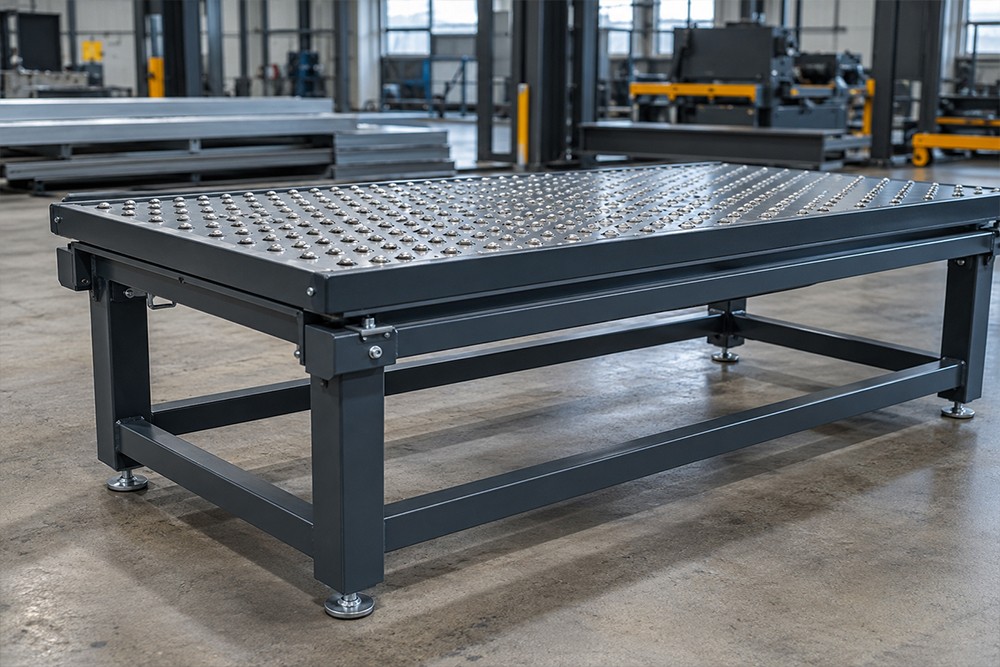
Provide linear transfer of pallets, crates and heavy products with flat and rigid bases.
Ball Transfer Tables
Allow multidirectional movement with low friction and support precise positioning.
Rotating Transfer Tables
Turn loads to a defined angle and change the direction of material flow.
Lift Transfer Tables
Provide mechanical, hydraulic or pneumatic movement between different working elevations.
Heavy-Duty Transfer Tables
Manufactured with reinforced frames, surfaces and drive groups for high-tonnage dies, pallets and equipment.
Custom-Designed Transfer Tables
Developed for dimensions, geometries, routing or automation conditions where standard solutions are insufficient.
Key Design Considerations
- Load dimensions and maximum weight
- Base geometry and contact points
- Table dimensions and load capacity
- Transfer direction and travel distance
- Roller, ball or table type
- Entry and exit elevations
- Rotation and centering requirements
- Motor, gearbox and drive capacity
- Sensor, stop and automation scenario
- Floor and anchoring structure
- Maintenance and cleaning access
- Corrosion and operating environment
Application Areas
- Pallet and crate transfer lines
- Press and die handling systems
- Conveyor transition points
- Production and assembly lines
- Robotics and automation cells
- Warehouses and logistics centers
- Automotive and supplier industries
- Metalworking facilities
- Food and packaging production
- Heavy industry and special projects
Our Production Process
Each project is evaluated individually according to load characteristics, transfer scenario and site conditions.
1. Technical Assessment and Requirements Analysis
Load dimensions, weight, base structure, entry-exit points, working elevations, routing and automation requirements are evaluated.
2. System Design
Table geometry, supporting frame, roller or ball arrangement, rotating or lifting mechanism, drive and control points are determined.
3. Manufacturing
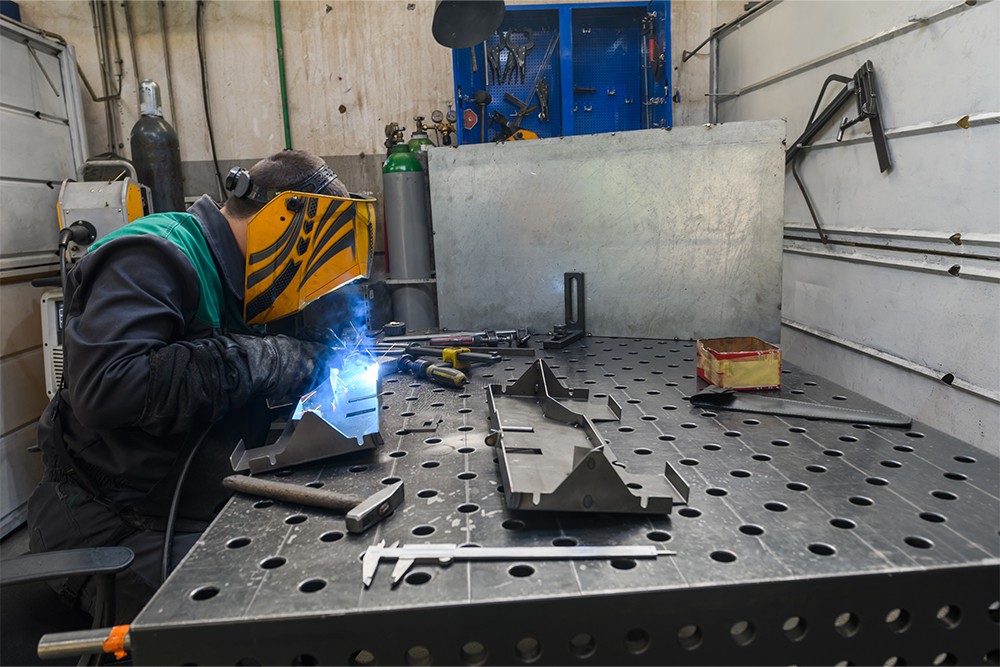
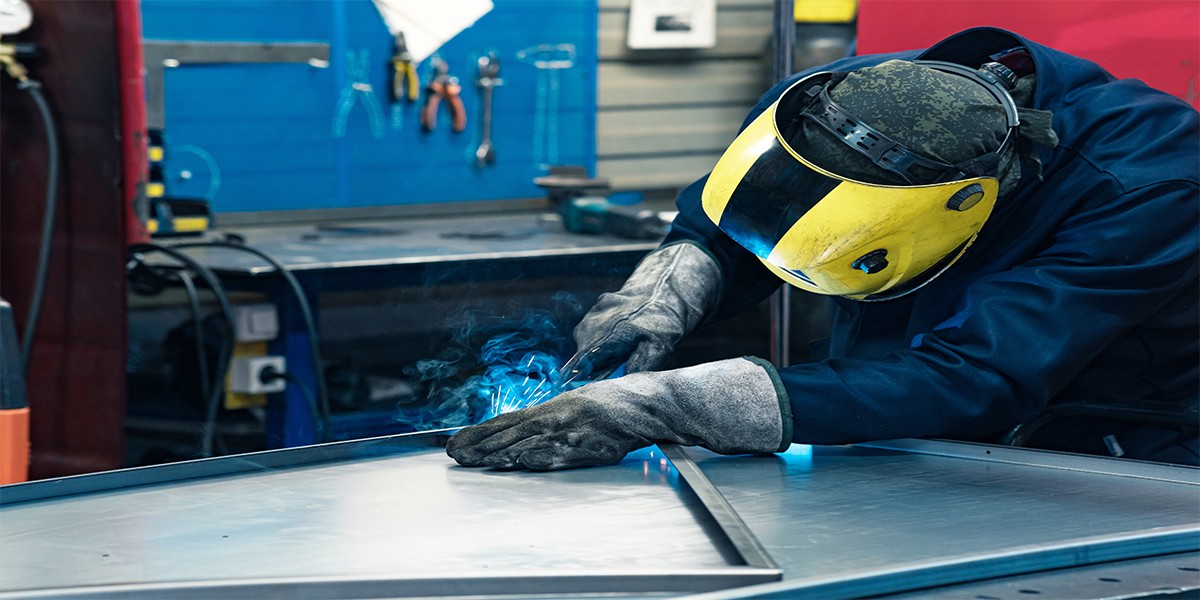
Steel profiles, sheet metal, rollers, shafts, bearings, tables and connection components are cut, machined and assembled according to project dimensions.
4. Surface Treatment and Inspection
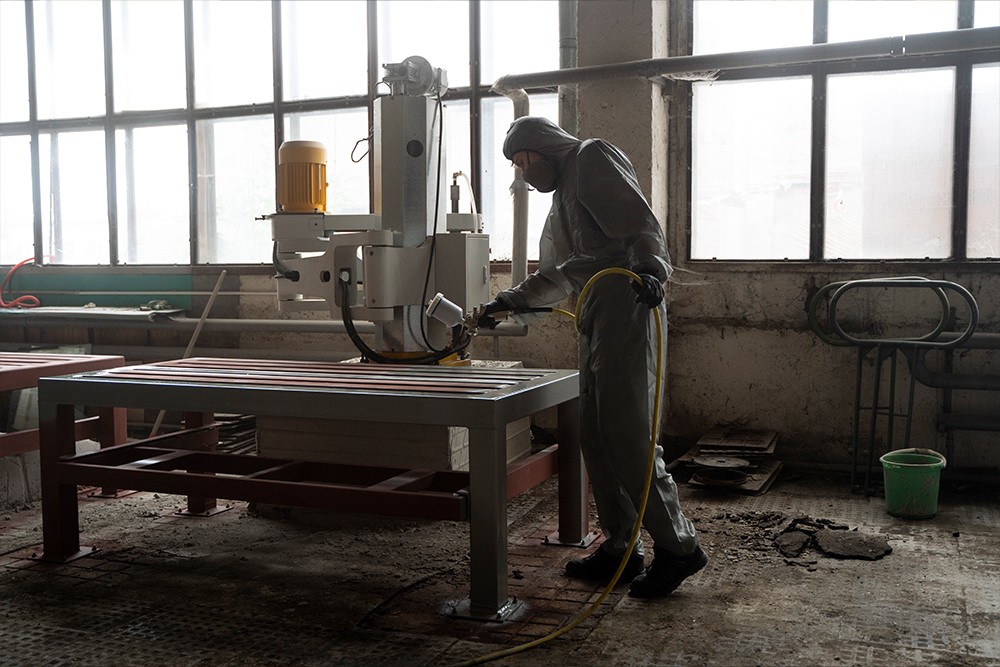
Electrostatic powder coating, wet paint, galvanizing or protective coating is applied. Dimensions, welds, surface flatness and mechanical connections are inspected.
5. Testing and Functional Inspection
Load movement, roller or ball operation, rotation, lifting, sensors, stops and centering functions are tested under controlled conditions.
6. Shipment, Installation and Commissioning
The system is delivered, aligned, leveled and anchored; mechanical-electrical connections and trial operation are completed.
Transfer Table Modification and Capacity Increase
Existing transfer tables may develop roller or ball wear, bearing failures, frame deformation, rotating-table play, lifting-mechanism problems or sensor faults. Changes in load tonnage, working elevation or process layout may also require modification.
Following a technical inspection, the following works may be carried out:
- Roller, ball, shaft and bearing replacement
- Frame and support reinforcement
- Rotating-table modification
- Lift-mechanism renewal
- Motor and gearbox modification
- Table-size or elevation adjustment
- Sensor, stop and automation integration
- Protective-guard renewal
- Surface-coating renewal
Material and Surface Options
Material and surface treatment are selected according to load capacity, contact surface, hygiene requirements and operating environment.
Carbon-Steel Profiles
Form the main supporting frame of the transfer table. Sections are selected according to load and span.
Steel Roller and Ball Systems
Sized according to load weight, base structure and movement direction.
Stainless Steel
Can be considered for food, chemical, wash-down and highly corrosive applications.
Machined Table Surfaces
Can be used where precise positioning, flatness and connection tolerances are required.
Electrostatic Powder Coating
Provides a durable surface suitable for indoor use and corporate colors.
Galvanizing and Industrial Coatings
Provide long-term protection in humid, outdoor or corrosive environments.
Why Nevas Çelik?
Projects are not limited to standard table dimensions; they are prepared according to load geometry, total tonnage, transfer direction, working elevation and automation scenario.
Site survey, design, steel fabrication, mechanical-system installation, surface treatment, site installation and commissioning are managed within a single process. Maintenance, modification and capacity-increase work can also be carried out on existing tables.
Information Required for a Quotation
- Photographs of the load
- Load dimensions and total weight
- Base contact points
- Required table dimensions
- Entry and exit elevations
- Roller, ball-transfer, rotating or lift-table preference
- Transfer direction and travel distance
- Hourly or cycle-based capacity
- Sensor and automation expectations
- Floor and installation conditions
- Technical drawing or layout plan, if available
Frequently Asked Questions
Are transfer tables manufactured in standard dimensions?
No. Table dimensions, load capacity, movement type and elevations are determined according to load and site conditions.
Can heavy-duty transfer tables be manufactured?
Yes. Reinforced frames, rollers, bearings and drive groups can be used for high-tonnage pallets, dies and equipment.
Can rotating transfer tables be manufactured?
Yes. Rotating table systems can be produced for 90°, 180° or project-specific direction changes.
Can lift transfer tables be manufactured?
Yes. Mechanical, hydraulic or pneumatic lifting systems can be used to connect different line elevations.
Can an existing transfer table be modified?
Yes. Rollers, balls, bearings, frames, rotating tables, lifting mechanisms, drive systems and automation components can be renewed.
Do you provide installation and commissioning services?
Yes. Shipment, mechanical-electrical installation, alignment, testing and trial production can be included in the project scope.
A Project-Specific Solution for Controlled Material Transfer
Technical assessment and project engineering can be provided for a transfer table suited to load dimensions, weight, movement direction and process flow.
You can request a quotation for a new system, modification of an existing table or capacity increase by sharing your project information.